Every January, Cancer Awareness Month shines a spotlight on a growing crisis: cancer remains the leading cause of firefighter line-of-duty deaths. Departments across the country use this month to highlight prevention practices, share survivor stories, and reinforce the need for early detection. But while January serves as an annual call to action, the threat firefighters face doesn’t follow a calendar, and neither should our commitment to reducing exposure risks.
For today’s firefighters, the danger doesn’t end when the flames are out. Modern fires burn hotter and release more toxic byproducts than ever before. Those chemicals cling to bunker coats, hoods, gloves, helmets, and boots long after the incident ends. Without consistent decontamination protocols, those toxins don’t stay at the station, they follow firefighters home, settle into personal vehicles, and spread to families, pets, and every surface along the way.
This is why cancer prevention isn’t a once-a-year conversation. It’s a daily practice. It’s on the fireground during gross decon. It’s back at the station during gear handling. It’s at home when turnout gear is stored improperly or skipped in the wash cycle after a “routine” call. Repeated exposure over time, even at low levels, adds up, making vigilance at every step critical for long-term health.
Why firefighters are at higher risk
- Research has shown that firefighters are exposed to per- and polyfluoroalkyl substances (PFAS) through turnout gear, fire-fighting foam, and contaminated air and dust — all of which have been associated with elevated cancer risk.
- In 2022, the International Agency for Research on Cancer (IARC) re-classified occupational exposure as a firefighter as “carcinogenic to humans.”
- Recent data demonstrates that firefighters face significantly increased mortality risks: one 2025 study showed that firefighters had a 58% higher mortality rate from skin cancer and a 40% higher mortality rate from kidney cancer than non-firefighters.
- Other cancers like bladder cancer, mesothelioma, colorectal cancer, prostate cancer, testicular cancer, non-Hodgkin lymphoma, melanoma, and more have been linked to firefighting exposures.
Because of the growing body of evidence, many national health and fire-service organizations now recommend rigorous, ongoing decontamination, gear inspection, and regular screening.
The danger doesn’t stay at the station
Firefighter gear picks up more than smoke; it picks up what the fire leaves behind. PFAS, combustion byproducts, soot, flame-retardant chemicals, and other toxins can embed deep into fibers. When gear goes unwashed from call to call, or is transported in personal vehicles, the exposure multiplies.
That’s why a one-time clean isn’t enough. Departments committed to real protection must adopt year-round cleaning protocols, regular gear inspections, and safe handling practices to limit off-duty contamination.
Where to get information, support, and data
If you’d like to dig deeper into cancer-in-the-fire-service research, or find resources for screening, support, and prevention, here are some valuable starting points:
- Firefighter Cancer Support Network (FCSN): Offers information, community support, and resources tailored for firefighters and their families.
- International Association of Fire Fighters (IAFF): Provides guidance, courses, and advocacy focused on occupational cancer risk and protective practices.
- National Institute for Occupational Safety and Health (NIOSH) / National Firefighter Registry for Cancer (NFR): A registry and research resource aiming to track and better understand cancer incidence among U.S. firefighters.
- American Cancer Society (ACS): For general cancer statistics, prevention guidance, and resources for patients and families.
Every day, prevention matters
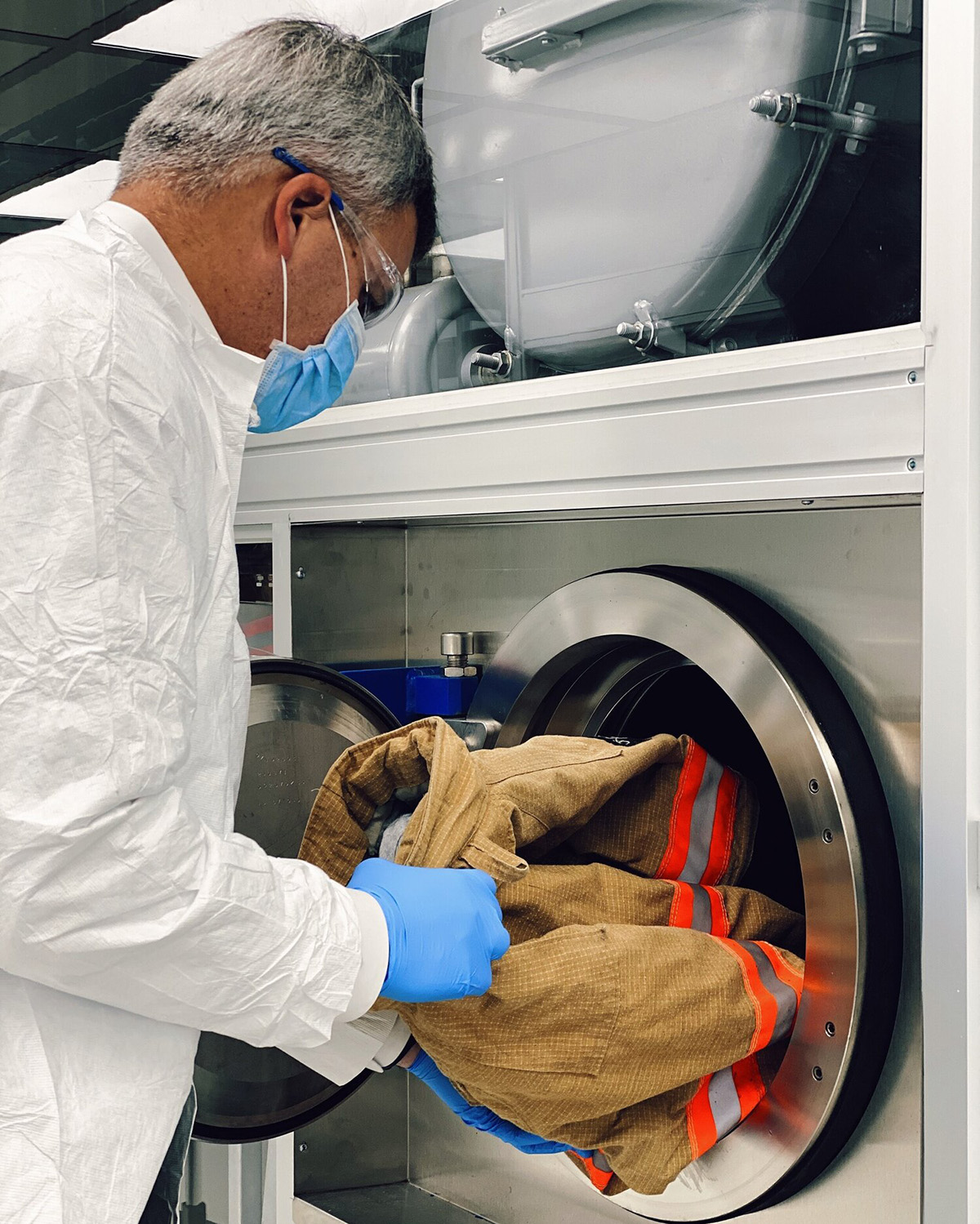
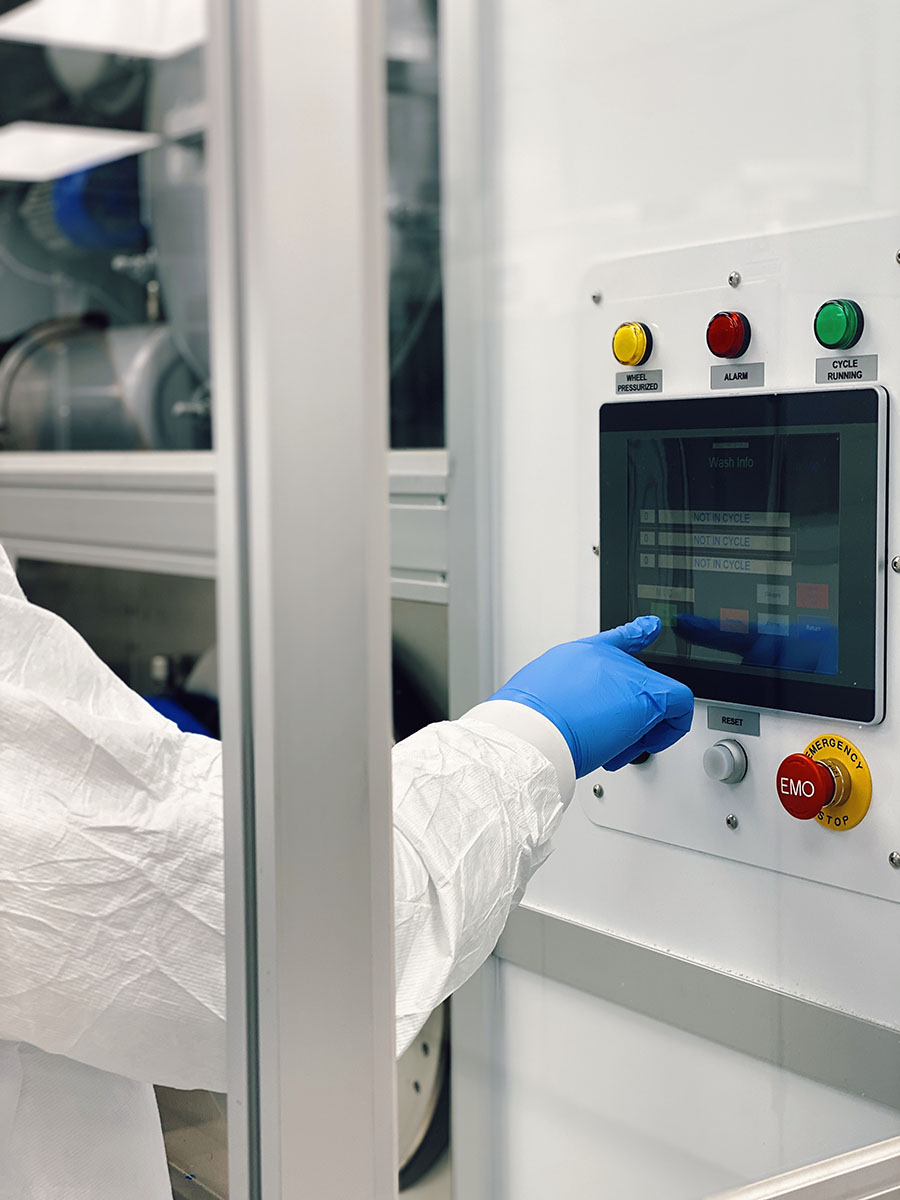
At Emergency Technical Decon, we are committed to offering year-round solutions, not quick fixes. Our advanced Liquid CO2+ cleaning and NFPA-aligned processes aim to remove as many harmful contaminants as possible before gear ever leaves the station. For departments serious about protecting their people, consistent, thorough cleaning isn’t optional — it’s essential.
As we observe Cancer Awareness Month this January, we honor the firefighters who are fighting, who have survived, and those we’ve tragically lost. But we also recommit ourselves to the everyday work, because cancer prevention isn’t seasonal. It’s a continuous responsibility shared by departments, chiefs, gear manufacturers, service centers, and every firefighter who straps on turnout gear. Contact us today to help keep your departments safe.