The Rising Risk
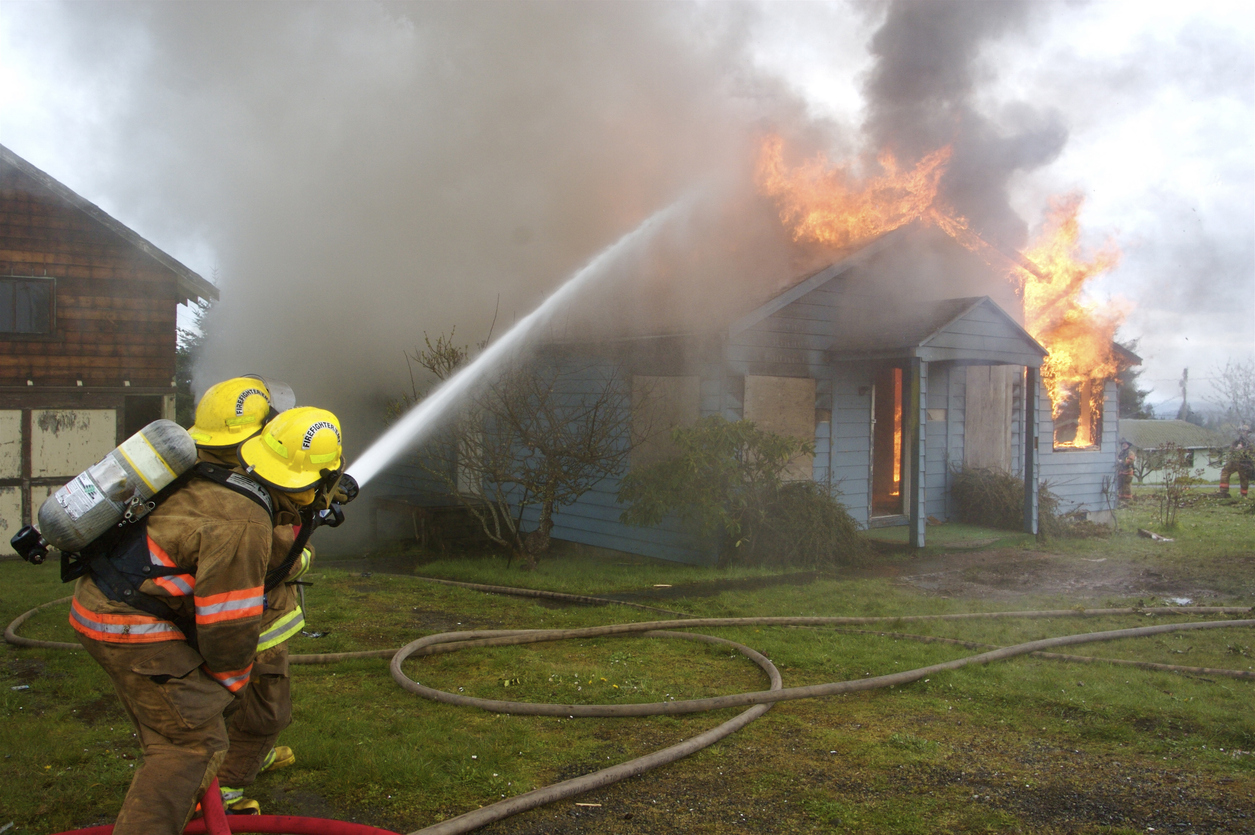
Lithium‑ion batteries power everything from electric vehicles and energy storage systems to e‑bikes, power tools, and consumer devices. While they offer tremendous energy density and convenience, they also present evolving hazards for fire departments. A significant risk is thermal runaway: when a battery cell fails, it can trigger a chain reaction that generates extreme heat, flaming gases, and explosions.
Research conducted by Texas A&M Engineering Extension Service (TEEX) and its partners found that in simulated battery fire incidents, contamination levels inside the blast chamber ranged from 12,000 to 17,000 times the U.S. Environmental Protection Agency ambient standard for particulate matter. The tests also revealed high concentrations of lithium, nickel, cobalt, manganese, and copper, and toxic gases such as hydrogen fluoride and formaldehyde.
Why Gear, Decontamination & PPE Matter
When these fires occur, turnout gear is exposed to a unique contamination profile that many departments are not yet fully accounting for.
- The by‑products of lithium‑ion battery fires include heavy metals, fine metallic particles, VOCs and SVOCs that can penetrate moisture barriers and liners.
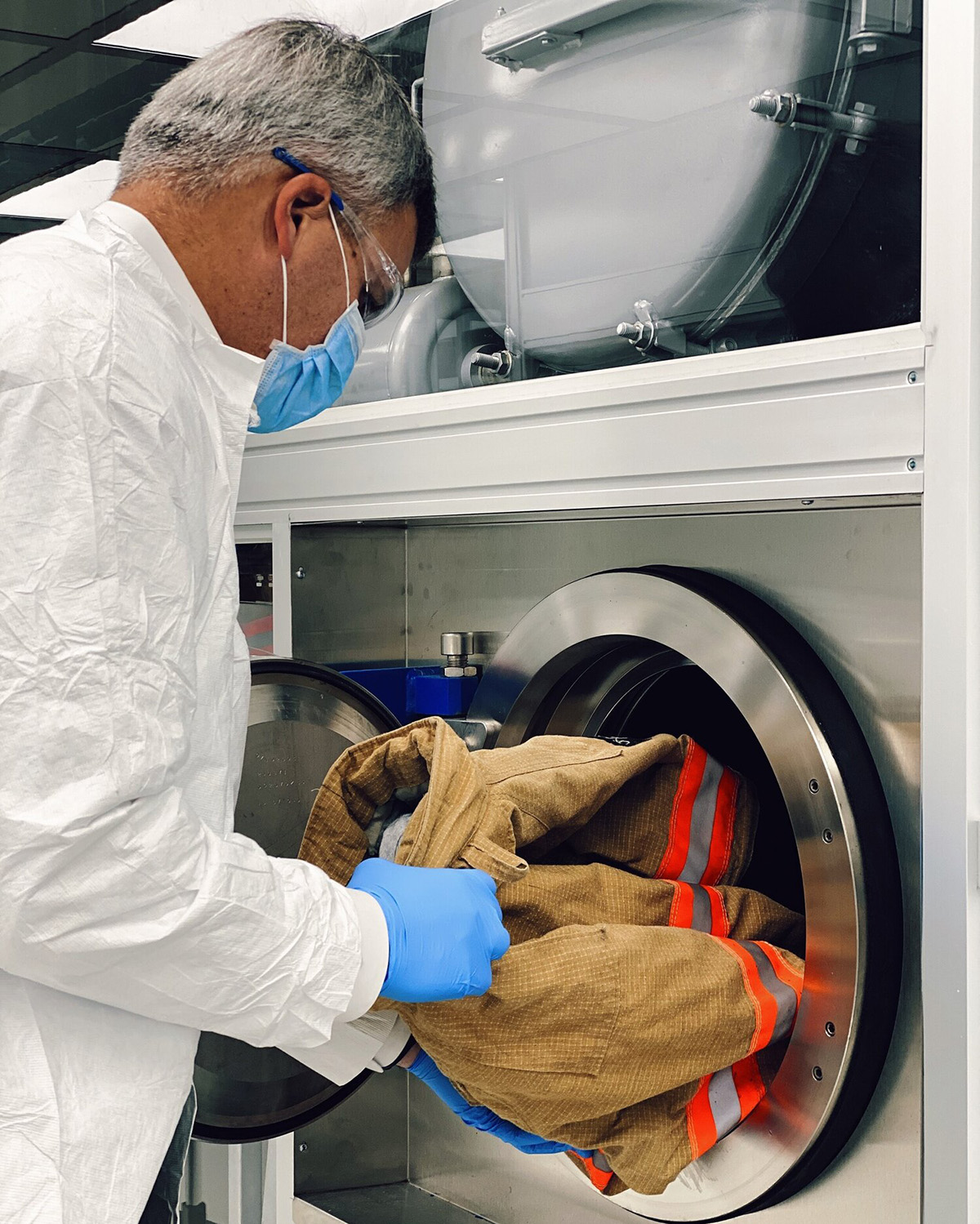
- Traditional washer‑extractor systems were not designed for this type of exposure. In the TEEX study, gear cleaned with water‑based extraction showed cleaning efficiencies for SVOCs that ranged from just 21% to 92%. In contrast, gear cleaned with a liquid CO2 process showed that many SVOCs were undetected after the cleaning.
- The gear that returns to service may carry these persistent contaminants into the station, into vehicles and into the nozzle crew’s lives outside of work.
How to Adapt for Lithium‑Ion Hazard Incidents
Departments responding to lithium‑ion battery incidents, including EVs, e‑mobility devices, battery storage systems, and residential batteries, should consider the following:
- Update gear rotation and decontamination policies. Treat incident‑exposed sets differently when battery involvement is suspected.
- Adopt advanced cleaning methods that provide higher removal rates for persistent contaminants.
- Enhance documentation of incident exposure, gear used, cleaning method applied, and timelines for service.
- Train crews to identify battery‑involved incidents, isolate exposed gear, and coordinate with decontamination partners for specialized treatment.
- Review the lifecycle and integrity of gear exposed to high‑hazard incidents. Thermal and chemical stress may degrade protection earlier than expected.
ETD’s Role in Emerging Hazard Response
At Emergency Technical Decon we recognize that modern hazards demand more than standard gear cleaning. Here is how we support departments facing lithium‑ion battery fire risk:
- Our liquid CO2 cleaning method is part of the Texas A&M Engineering (TEEX) study and was shown to remove metallic particles and many SVOCs more effectively than traditional methods.
- We offer digital service records that track gear exposure, cleaning cycles, and incident types so that departments have traceable histories.
- Our facilities handle high‑volume and high‑hazard cleaning with efficient turnaround to keep gear in service and crews ready.
- We provide guidance on inspecting gear after battery‑involved incidents, and when specialized cleaning or earlier retirement may be necessary.
As lithium‑ion battery incidents increase, fire departments must evolve their gear decontamination and documentation strategies. Traditional washer‑extractors were not designed for these emerging chemical risks or high‑incident volumes.
Emergency Technical Decon offers an advanced approach that cleans more deeply, preserves gear, and provides documented proof of service. If your department responds to battery‑involved fires and needs to update its decontamination program, contact us today to discuss how our liquid CO2 cleaning can keep your gear cleaner, safer, and service‑ready.