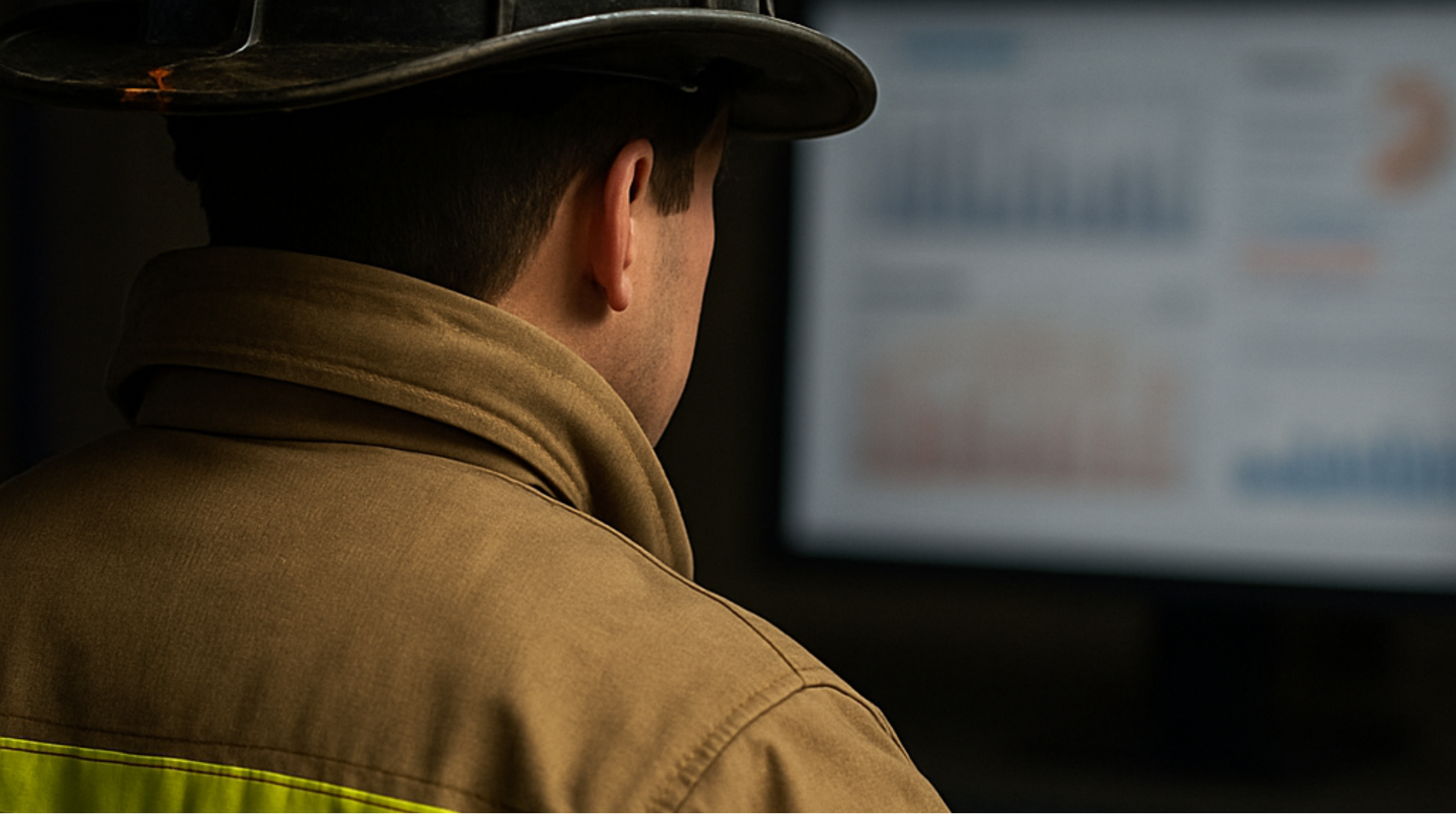
Earlier this year in April, the National Firefighter Cancer Registry, once a beacon of hope for tracking long-term cancer incidence among firefighters, was temporarily shut down. Designed to collect critical exposure data and analyze cancer trends in the fire service, the registry aims to give departments, researchers, and policymakers a clearer understanding of the occupational risks firefighters face every day. With its closure, an alarming data gap has emerged, leaving departments with fewer tools to track exposure history or support health-related claims in the future.
The loss of this centralized federal registry comes at a time when cancer remains the leading cause of firefighter deaths. Without it, the burden of proof shifts heavily onto individual departments and firefighters to document their own exposure history, something that’s often easier said than done.
That’s why comprehensive gear cleaning logs, inspection records, and exposure tracking have become more important than ever. These records don’t just satisfy NFPA 1851 compliance; they can serve as the only line of defense for validating exposure when broader registries fail. Whether it’s for health monitoring, early detection, presumptive cancer claims, or advocacy work, having a solid historical record of gear contamination and cleaning frequency is becoming an essential risk-reduction strategy.
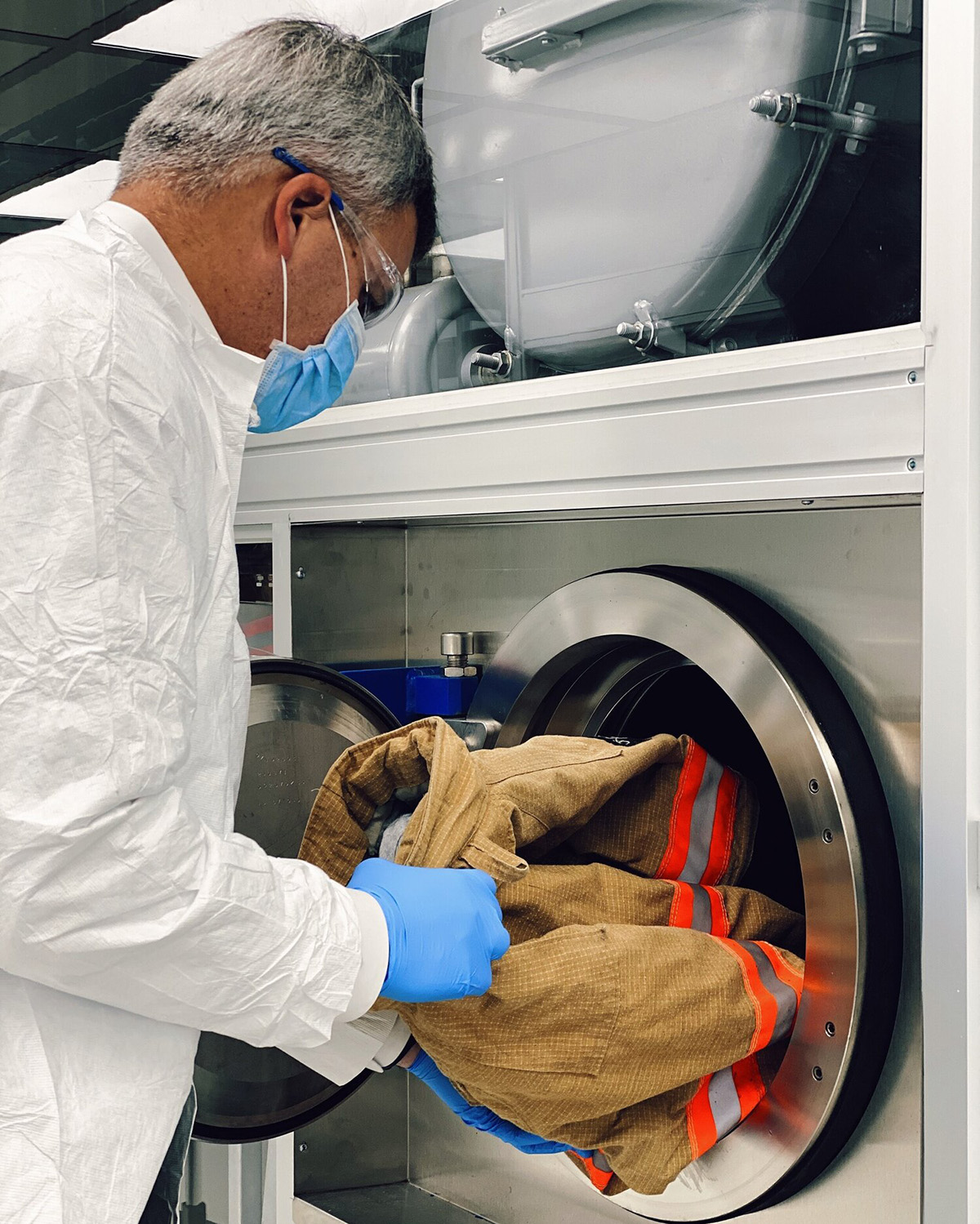
At Emergency Technical Decon, we’ve long championed the importance of data-backed decontamination practices. From documenting gear condition upon arrival to tracking cleaning outcomes down to SVOC and PFAS removal, our systems are built to support your department’s long-term health and safety goals, not just NFPA compliance. When national systems falter, local resilience matters.
Start by ensuring your cleaning records are detailed, your gear is decontaminated regularly, and your department’s exposure history is something you can stand behind. Contact us today.