By: Emergency Technical Decon Team
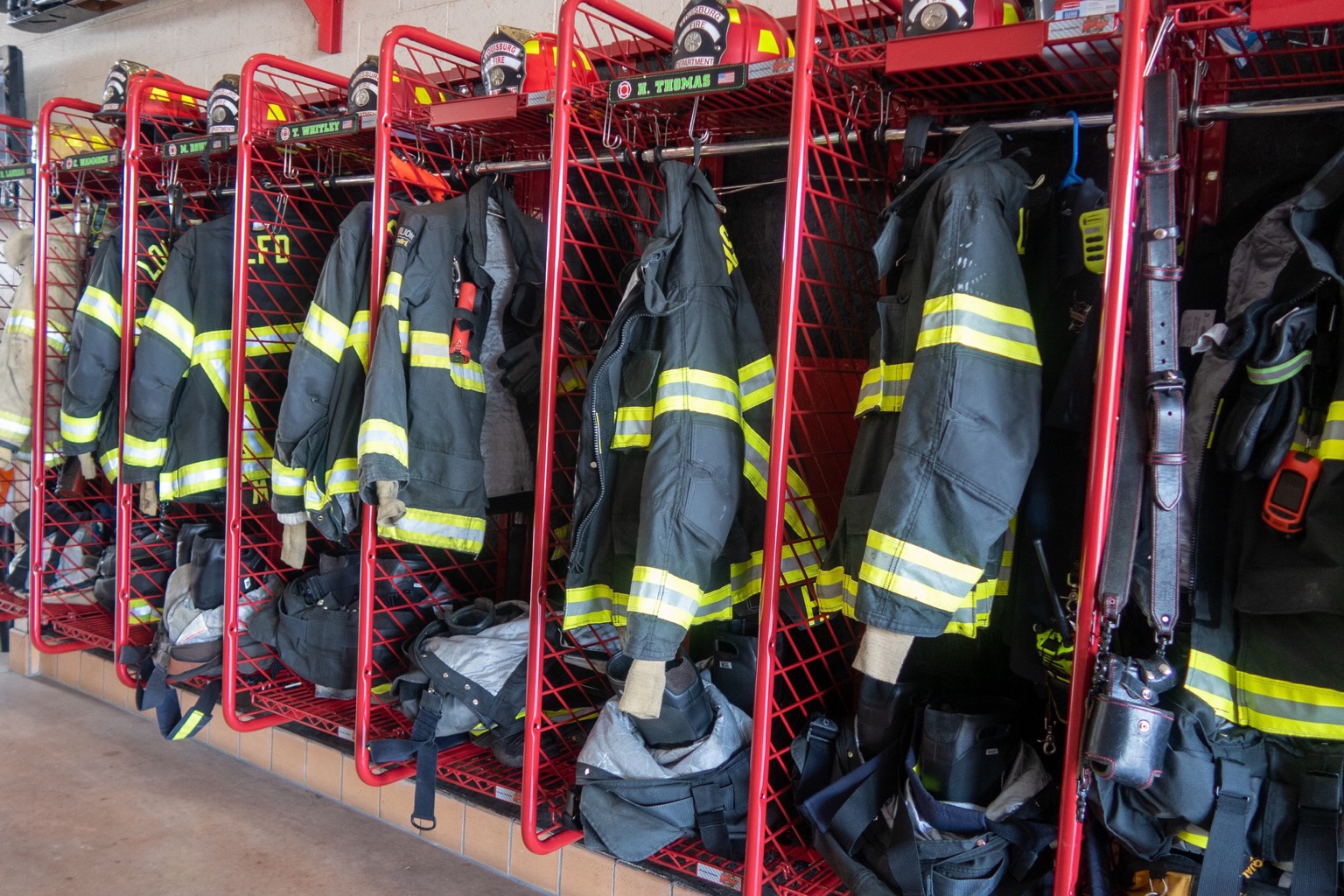
A fire department personal protective equipment (PPE) management plan is about more than issuing turnout gear and checking that each firefighter has a coat, pants, helmet, hood, gloves, and boots. Each item has a service history, an exposure history, and a role in a firefighter’s ability to return to the next call prepared. When those details are scattered across paper files, memory, or disconnected spreadsheets, leaders have less visibility into equipment condition, care needs, and replacement priorities.
A structured program gives a department a repeatable way to manage protective equipment from purchase through retirement. It connects accountability, inspection, cleaning, repair, documentation, and budgeting so that gear decisions are based on current records rather than last-minute discoveries. The goal is practical: keep PPE safe, serviceable, traceable, and ready for use while giving the people responsible for the program a clear way to identify gaps before they become operational problems.
Establishing the Foundation of Your PPE Management Program
A complete program begins with written policies, assigned responsibilities, and a shared understanding of what the department expects from its PPE process. The policy does not need to turn every routine action into paperwork. It does need to define how equipment is issued, who records key events, how damaged gear is removed from service, and how care decisions are reviewed. Without that foundation, consistent care depends too heavily on individual habits and institutional memory.
Departments should identify the people who touch the process at different points: command staff, the PPE manager, company officers, firefighters, logistics staff, and any outside service provider. Each role needs a clear handoff. A firefighter may identify damage or contamination; an officer may confirm that the item is removed from use; the program manager may determine the next inspection, repair, cleaning, or replacement step. A program works when those actions are connected rather than treated as separate chores.
Written goals also make tradeoffs visible. A department may need to improve documentation, shorten the time between a reported issue and a disposition, make backup gear easier to locate, or improve long-range replacement planning. Defining those goals helps leaders decide what information to collect and what to review. It also creates a useful baseline for gear lifecycle planning, where the department can connect equipment age and service history to future purchasing decisions.
The foundation should account for routine work as well as exceptional events. A program that only activates after a fire, a failed inspection, or a budget request will always be reactive. Regular review gives departments a better chance to find missing records, overdue care, uneven use of backup gear, or equipment that no longer fits its intended role before the issue affects readiness.
- Document who owns each PPE record and who can update it.
- Define the path from issue identification to cleaning, inspection, repair, return, or retirement.
- Set review intervals for records, equipment condition, and replacement needs.
- Establish how firefighters report suspected damage, contamination, or fit concerns.
Building a Complete PPE Inventory and Tracking System
An inventory is useful only when it tells the department what it needs to know at the moment a decision is required. At a minimum, each item should have an identifiable record that follows it from purchase through retirement. That record should connect the item to its assigned firefighter or pool location, its purchase and issue information, and the care events that affect its service history. The practical value is not the list itself; it is the ability to answer what equipment exists, where it is, what has happened to it, and what needs attention next.
Good tracking helps departments move beyond broad counts of coats or helmets. Two garments of the same age can have very different histories depending on use, cleaning, repairs, exposure concerns, and time in reserve. A record that captures those differences gives PPE managers a clearer basis for deciding whether an item should return to service, be evaluated further, or be included in upcoming replacement planning.
Inventory records also support accountability when gear changes hands. New issue, temporary assignment, transfer to backup status, repair intake, and retirement should all leave a trace. That trail reduces uncertainty when a firefighter changes stations, a set of gear is sent out for service, or a department needs to understand the current status of a piece of PPE. It also makes it easier to identify whether a record is incomplete before a scheduled review rather than after an item is urgently needed.
Departments should choose a level of detail they can maintain. A system with dozens of fields that are never updated creates false confidence. A focused record with dependable identifiers, condition notes, care history, assignment, and next-action status is more valuable. The program should make it simple for personnel to capture information at the point where it becomes known, then give the PPE manager a way to review it for completeness and trends.
Standardizing Inspection, Cleaning, and Maintenance
Inspection, cleaning, and maintenance should function as one care cycle. Routine checks identify visible wear, missing components, contamination concerns, and changes in fit or function. More detailed evaluations and repair decisions build on those observations. Cleaning should not be treated as a standalone reset button; it is part of the documented history that informs how a department manages exposure, equipment condition, and return-to-service decisions.
Standardized procedures help the department decide what happens after an issue is found. That includes how the item is tagged or documented, where it is stored while awaiting a decision, what information travels with it to a provider, and how the result is recorded when it returns. A consistent process avoids the common gap where a concern is noticed on the floor but never becomes a usable record for the person responsible for PPE oversight.
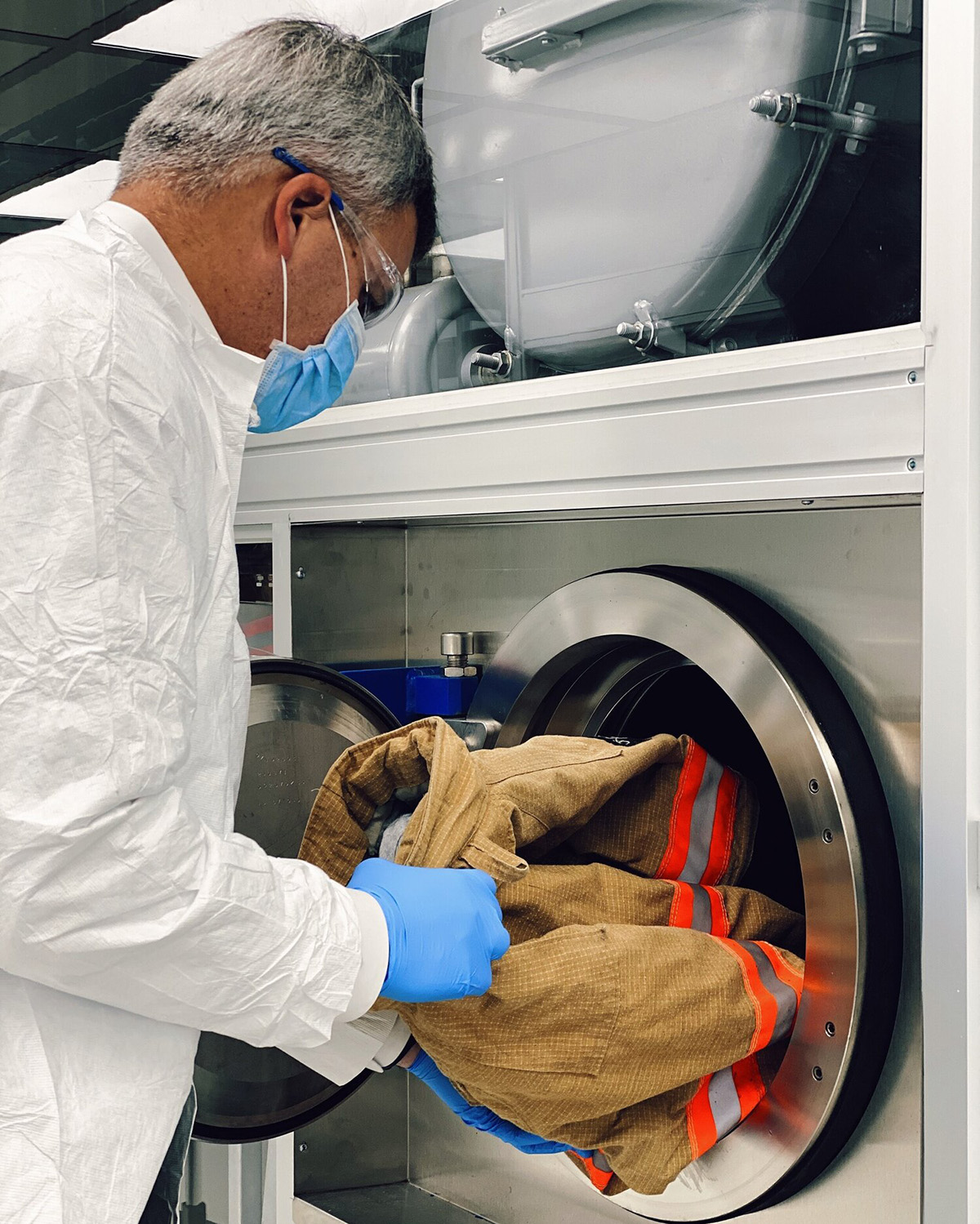
The cleaning method deserves the same level of review as any other part of the care cycle. Heavily contaminated gear from a commercial fire can leave residual toxins in a standard commercial washer-extractor drum and may expose the next department’s gear to those residues. Departments should ask a provider how its cleaning medium is sanitized and how it controls contamination between cycles. Advanced fluid systems can continuously filter, distill, and gasify the cleaning solution between cycles so contaminants are separated for concentrated disposal and clean fluid is reused for the next batch.
Provider selection should also account for inspection and repair communication. A department needs clear findings, a disposition for each item, and documentation that can be connected back to the equipment record. When questions arise about damage, repair scope, or the conditions observed at intake, established inspection and repair services can support a more complete care record than a simple receipt or return notice.
Timely follow-through matters. Gear that sits without a documented disposition can become an unknown quantity: it may be unavailable, awaiting repair, due for further review, or still assigned without clear confirmation of condition. Standardizing the workflow gives company officers and PPE managers a reliable way to see what is in service, what is out of service, and what needs a decision.
That same record should follow the item through routine inspection, cleaning, repair evaluation, and, when appropriate, retirement. For each event, capture condition observations, the date and reporter, the reason for service, provider and chain-of-custody details, findings, recommended work, approvals, completed repairs, and the next action. This keeps return-to-service decisions, inventory updates, and replacement planning connected to the item’s actual care history.
Plan for the Entire PPE Lifecycle
Lifecycle planning keeps a department from treating replacement as a surprise expense. PPE decisions begin before purchase, when leaders define the equipment they need, the records they will maintain, and the process for tracking condition over time. They continue through assignment, routine care, repair decisions, backup use, and eventual retirement. Each stage produces information that can improve the next purchasing and planning cycle.
A useful replacement plan considers more than a calendar date. Condition assessments, repair history, exposure concerns, fit, operational use, and the manufacturer’s recommendations all contribute to a more informed decision. Records help the department see whether an item has developed a pattern of issues or whether a group of similar items will require attention in the same budget period. This is particularly important for departments that need to balance frontline readiness with the availability of backup gear.
Budget discussions are stronger when leaders can describe the reason behind each expected expense. Instead of presenting a general request for replacement gear, a PPE manager can show how equipment condition, documented care, repair needs, and planned retirement criteria affect the department’s timeline. That does not eliminate difficult budget choices, but it makes them traceable to the program’s records and priorities.
Lifecycle decisions should be reviewed alongside care practices. Consistent turnout gear maintenance practices give departments a clearer view of how equipment is being cared for across stations and shifts. The purpose is not to force every item into the same outcome. It is to make sure the department can explain why a particular item was repaired, retained as backup, removed from service, or replaced.
Use Technology to Improve Oversight
Technology can reduce administrative burden when it is built around the department’s actual workflow. A digital PPE management system can bring inventory, assignment, inspection records, care history, repair status, and replacement forecasting into one place. That makes it easier to see the current state of the program without asking personnel to reconstruct it from separate files, emails, and vendor paperwork.
The most helpful systems create visibility at the points where work happens. A firefighter or officer should be able to report a condition issue without needing to know the entire back-office process. A PPE manager should be able to see whether records are missing, whether an item is awaiting a provider response, and whether an upcoming review requires action. Leadership should be able to understand broad readiness and budget patterns without relying on a manual count before every meeting.
Digital records are also valuable because they preserve context. A date by itself is less useful than a record that shows what was observed, who made the decision, what service was performed, and what the next action should be. Over time, that context allows departments to move from individual transactions to a more complete picture of equipment readiness and resource needs.
Technology does not replace judgment. It gives people a clearer basis for using it. Departments should define the data they need, train personnel on simple reporting habits, and review whether the system is producing dependable information. When the process is working, the department has stronger documentation that supports gear decisions without turning every shift into an administrative exercise.
Measure, Review, and Improve the Program
PPE management is an ongoing program, not a one-time inventory project. Equipment, operational demands, staffing, and service relationships change over time. Regular review gives the department a chance to test whether its policy matches practice, whether records are complete enough to support decisions, and whether the care process is helping crews return gear to service with clear documentation.
Useful reviews ask practical questions. Are condition issues being recorded consistently? Are items waiting too long for a decision? Can the department identify its backup inventory and replacement priorities without starting from scratch? Are service records returning in a form that can be attached to the PPE record? Answers to those questions help the department focus improvement work where it will have the greatest effect on readiness and accountability.
Leaders should also invite feedback from the firefighters and officers who use the process. A policy that looks complete on paper may still create delays or unclear handoffs in practice. If personnel cannot easily report a concern, locate the correct record, or understand what happens after gear is sent out, the program needs adjustment. Continuous review keeps the system connected to the work it is meant to support.
For departments seeking a more complete approach to cleaning, inspection, repair, and documentation, ETD can help connect PPE care to the larger program. Is your department ready to evaluate how Liquid CO2+ cleaning and a documented care process can support firefighter readiness? Contact us today.