Firefighters face enough dangers;
cancer shouldn’t be one of them.
WASHING GEAR WITH WATER DOESN’T CUT IT.
Studies over the decades have tested the efficacy of water washing, and they’ve shown that the method has mixed results, ranging anywhere from 15% to 40% efficiency.
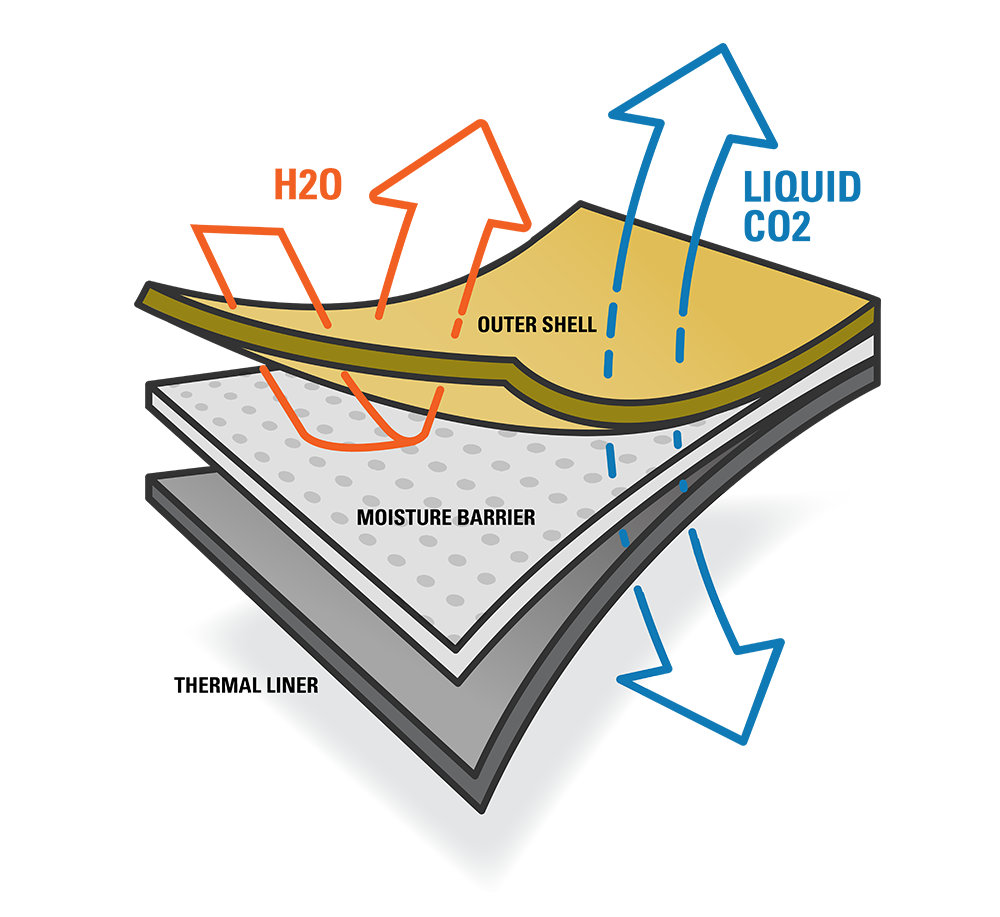
The issue with water-based cleaning is that firefighter PPE and other first responder gear are made to be waterproof. Therefore, water-based cleaning methods have a hard time cleaning past the surface level of the gear, leaving behind many chemicals that can cause cancer and other illnesses.
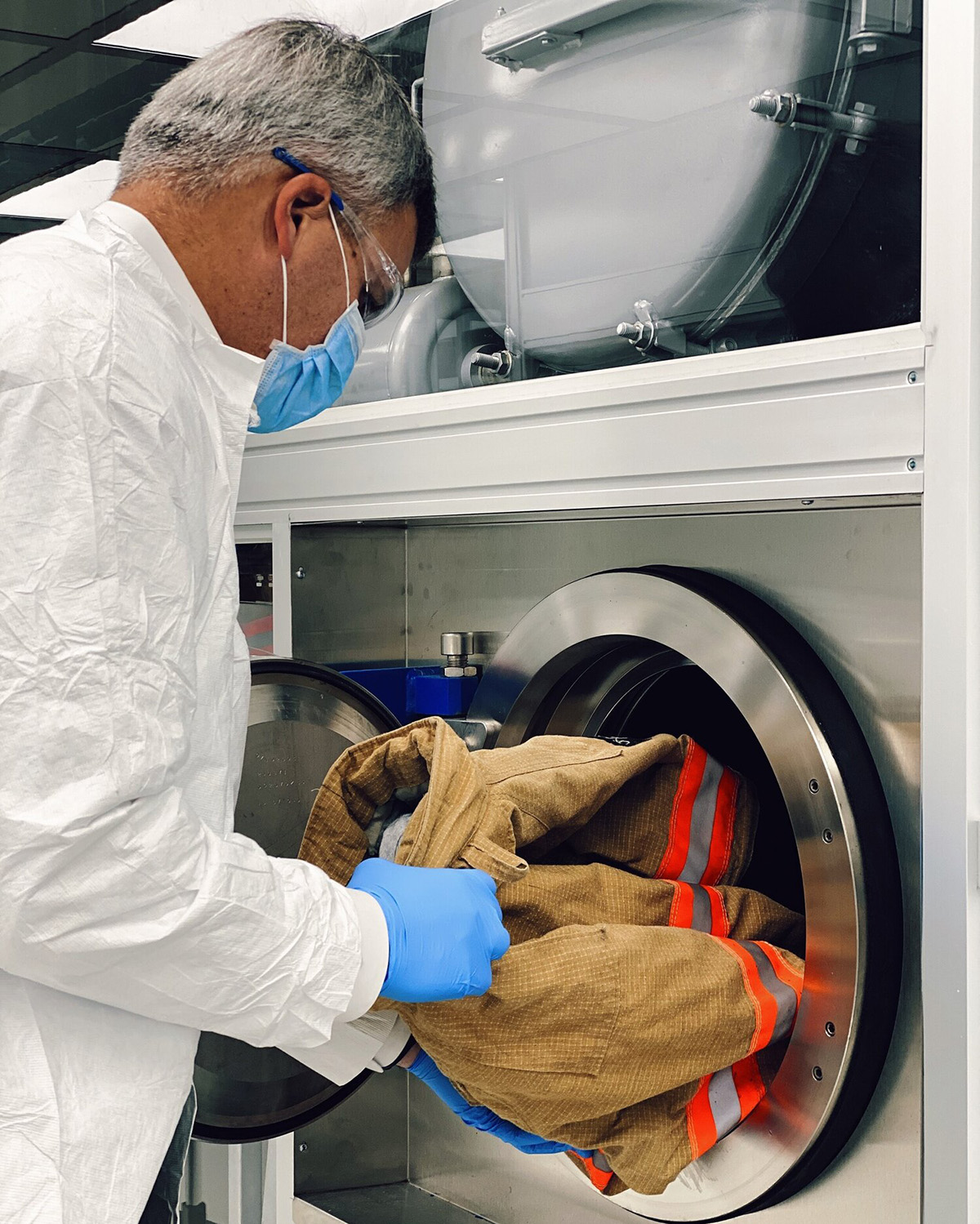
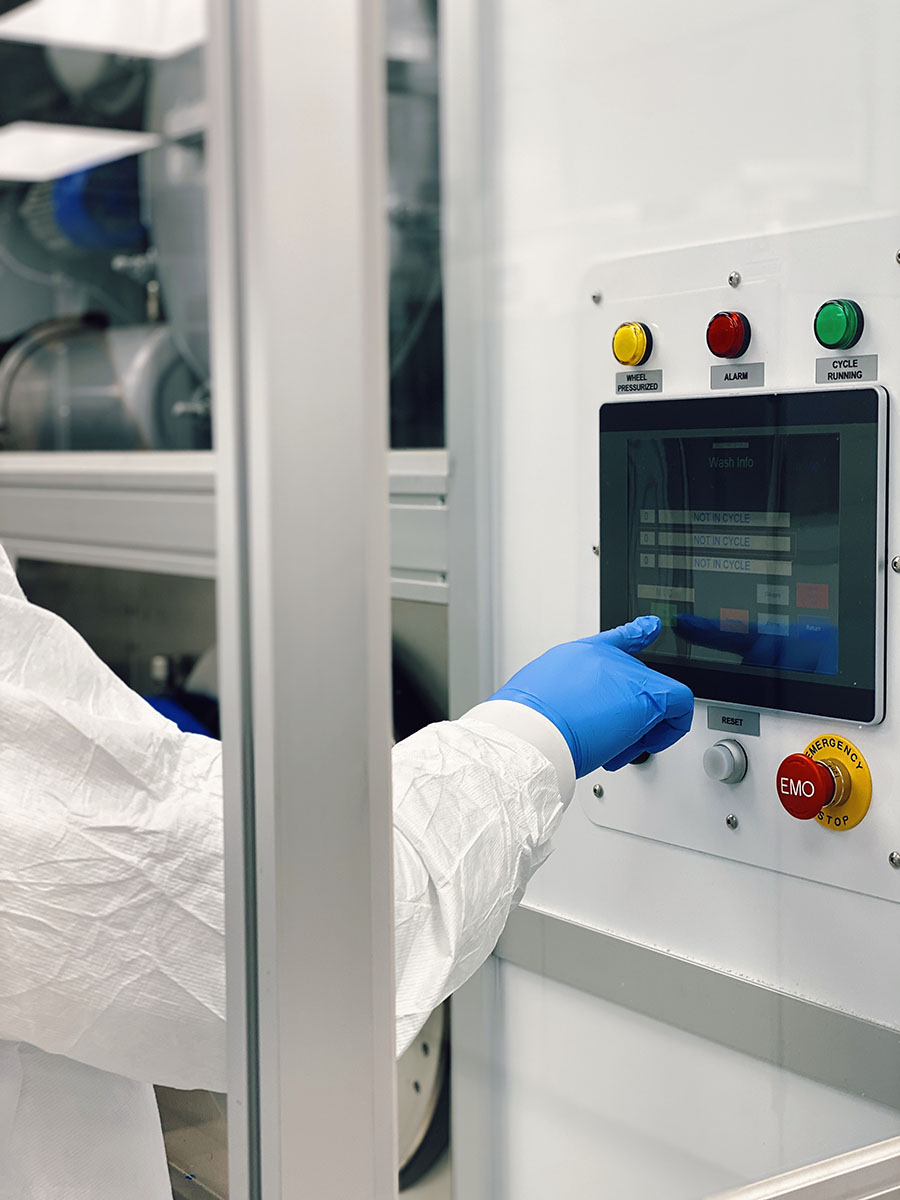
ETD’s Liquid CO2+ process is the way
Not only did ETD's Liquid CO2+ meet the standard of water washing, it surpassed it. Liquid CO2+ cleaning has been shown to reduce contaminants found in firefighting gear to undetectable levels, with removal rates of up to 100% for certain contaminants.
The concerns of veterans in the industry were proven right. Water washing does not fully clean a firefighter’s gear; in fact, it actually leaves high amounts of hazardous chemicals on every layer of gear, contaminating each firefighter that puts it on. Liquid CO2+ washing solutions like ETD’s proprietary methods are proven to work more efficiently in removing hazardous chemicals tested; while using no water, and less time and energy.
ETD in the Lab
Our Liquid CO2+ cleaning process has been tested to remove over 50 different toxins that traditional cleaning methods have difficulty decontaminating. From SVOC (semi volatile organic compounds) to PFAS (per and polyfluoroalkyl substances), we bring turnout gear back to life so that your firefighters can be confident they are wearing gear that’s as safe as possible.
To evaluate the effectiveness of water-based cleaning methods versus the CO2 cleaning process on firefighter turnout gear, a detailed study was conducted in Finland by the Finnish Institute of Occupational Health. This study evaluated the source of contamination from numerous firefighter events. Key results from this study were:
- PAHs were found throughout the turnout gear in concentrations that exceeded safety standards;
- Substantial VOC and SVOC concentrations were found in the moisture barrier layers of the gear;
- Water washing did a poor job of removing PAHs and was responsible for transferring more contamination on the gear to less contaminated areas.
Here are the cleaning efficiency results of the study.
Turnout Gear Cleaning / Decon Technology Comparison
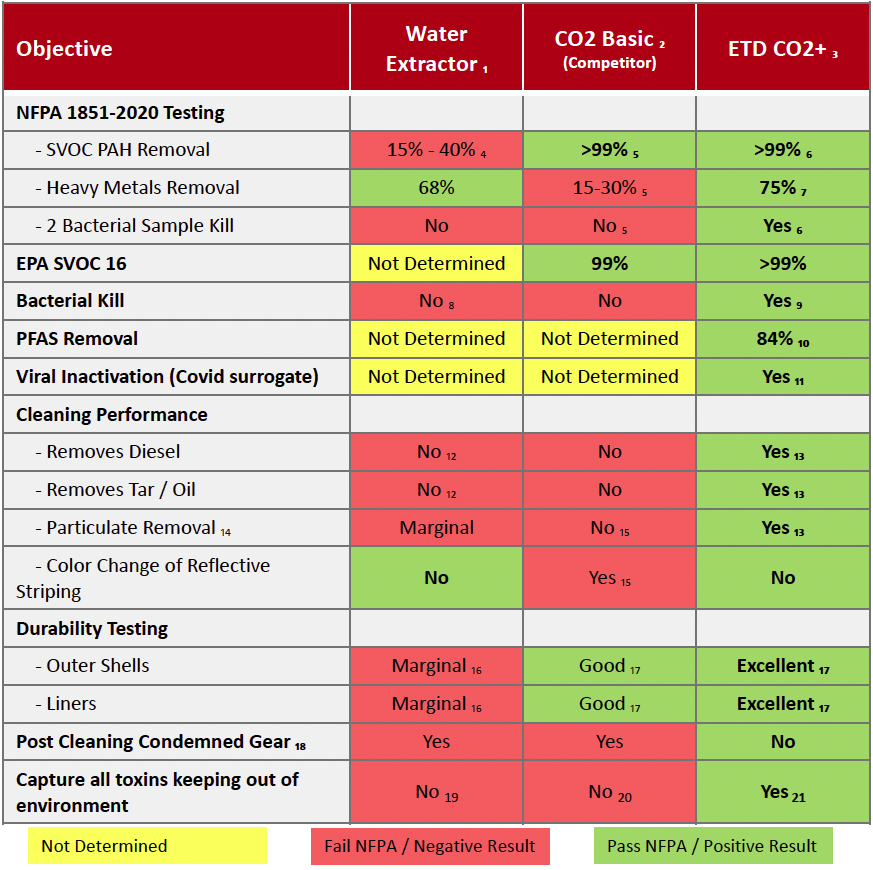
ETD has performed a multitude of tests of our CO2 based decontamination services.
View the reports below to see the results:
The 2024 Urban Fire Forum (UFF) Position Statement: Statement in Support of Considering Enhanced Decontamination Methodologies of PPE Following Exposure to Lithium-Ion Battery Fires
While lithium-ion battery (LIB) fires have brought new awareness to the toxic exposures firefighters face, research confirms that all fires generate a hazardous mix of contaminants, including semi-volatile organic compounds (SVOCs), heavy metals, PFAS, and PAHs. The UFF Position Statement highlights that traditional cleaning methods remove only 50% of these persistent toxins, leaving firefighters vulnerable to prolonged exposure. ETD's CO2+ Enertia GFx system has been independently tested, demonstrating removal of more than 84% of PFAS, 99.9% of SVOCs, 99.8% of heavy metals, and 99.9999% of biological contaminants from turnout gear. Regardless of the combustion source, ETD’s technology ensures near-complete removal of fireground toxins, significantly reducing cancer risks and safeguarding firefighter health.
Firefighters face new hazards with rapid deployment and use of new green electric technologies. A technical study was conducted to evaluate the effectiveness of removing contamination from fires involving electric vehicle, lithium-ion battery, and other green technologies. Common products of combustion were utilized in these types of exposures and tested following NFPA 1851-2020 testing procedures. Test samples were analyzed at accredited laboratories. The results show that contamination from these lithium-ion battery and other green technology fires can be effectively removed and captured from firefighter turnout gear in the liquid CO2++ decontamination process.
CO2 cleaning does NOT adversely impact turnout gear in any meaningful way. The reports below summarize results that show no significant effects on the outer shell, moisture barrier, and thermal liner material after multiple cleanings in the CO2 cleaning systems according to NFPA 1971 UL testing.