By: Emergency Technical Decon Team
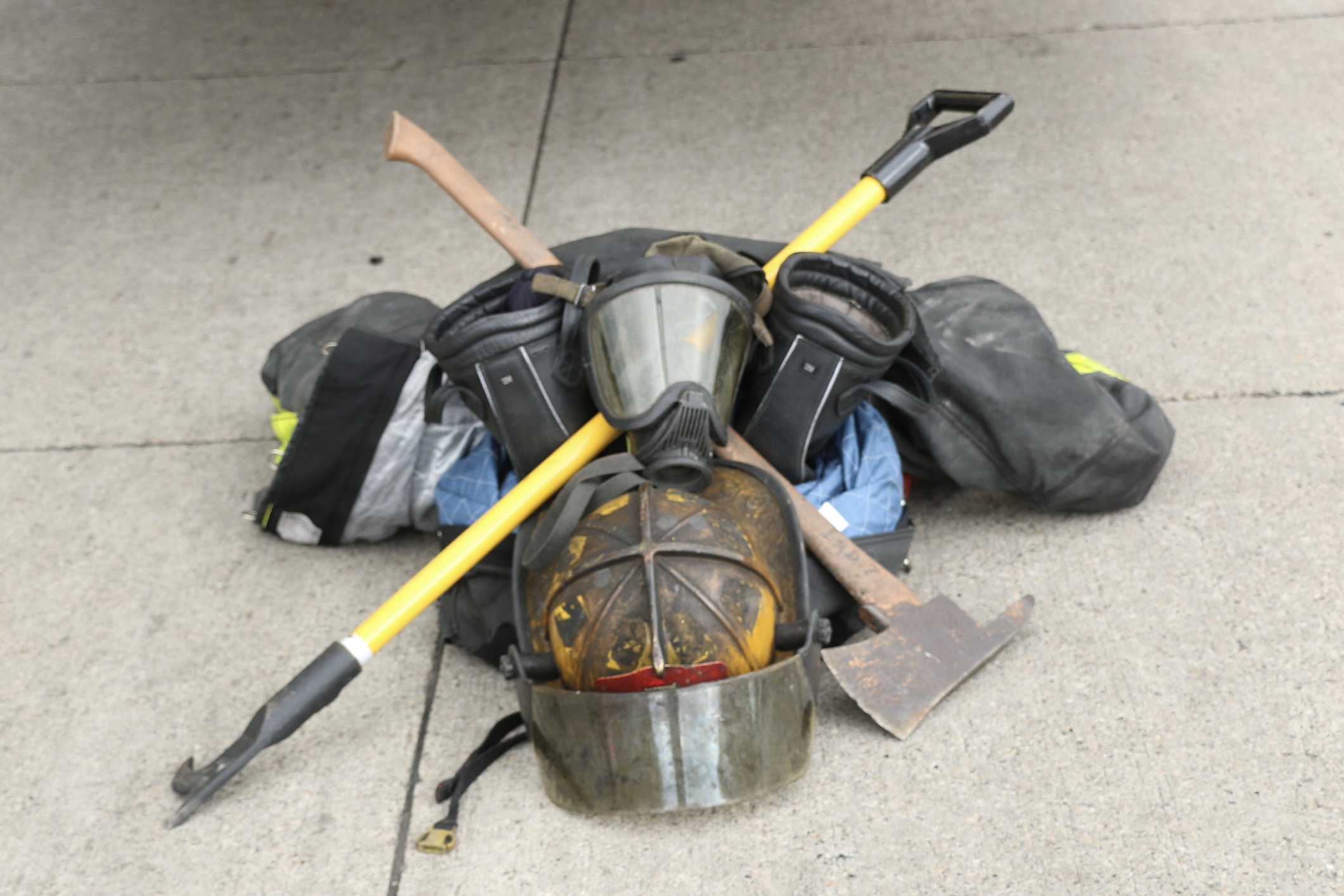
Firefighters face a chemical battlefield every time they step onto the fireground. Modern fires, fueled by synthetic materials, plastics, and industrial products, create a toxic mix of substances that cling to turnout gear long after the flames are out. These contaminants, ranging from PFAS to volatile organic compounds (VOCs) and heavy metals, don’t just pose individual health hazards. When combined, their risks compound, creating a far greater danger to firefighters over time.
Surface-level cleaning isn’t enough to combat these threats. To truly protect firefighters, gear decontamination must address all major chemical classes with a comprehensive, validated approach.
The Danger of Combined Chemical Risks
Most conversations about contaminated gear focus on a single chemical, like PFAS. While PFAS exposure is a critical issue (linked to cancer and long-term health effects) it’s just one part of the problem. Fireground operations also expose firefighters to hydrocarbons, flame retardants, polycyclic aromatic hydrocarbons (PAHs), heavy metals like lead and cadmium, and countless other toxic compounds.
When these substances mix, they can interact chemically and biologically in ways that amplify their harmful effects. For example, VOCs can increase the skin absorption of PFAS or PAHs, making firefighters more susceptible to long-term exposure. This “chemical cocktail” effect is one of the reasons why cancer has become the leading cause of line-of-duty deaths among firefighters.
Limitations of Traditional Cleaning Methods
Traditional water-extraction cleaning methods were never designed to fully address these complex contaminants. While they can remove surface soot or visible residue, studies show that water-based washing often leaves behind 30–50% of harmful chemicals embedded in fabric fibers and gear components. Worse, repeated exposure to water and detergents can degrade turnout gear, weakening moisture barriers and thermal liners.
This partial cleaning leads to “chemical stacking,” where contaminants build up over time. Even gear that appears clean can carry dangerous residues, releasing them as off-gassing into fire stations, vehicles, and homes. Departments relying on conventional cleaning may believe they’re reducing risks when, in reality, they’re only scratching the surface.
Why Comprehensive Removal Matters
Comprehensive gear cleaning is about health, safety, and compliance. By removing the full spectrum of contaminants, departments can:
- Reduce cumulative chemical exposure, lowering cancer risks.
- Extend the lifespan of turnout gear by avoiding harsh water cycles.
- Support compliance with NFPA 1850, which emphasizes a holistic approach to PPE care and maintenance.
A thorough, science-backed cleaning approach ensures that gear isn’t just cleaner, it’s safer to wear and store.
The Role of Liquid CO2+ Cleaning
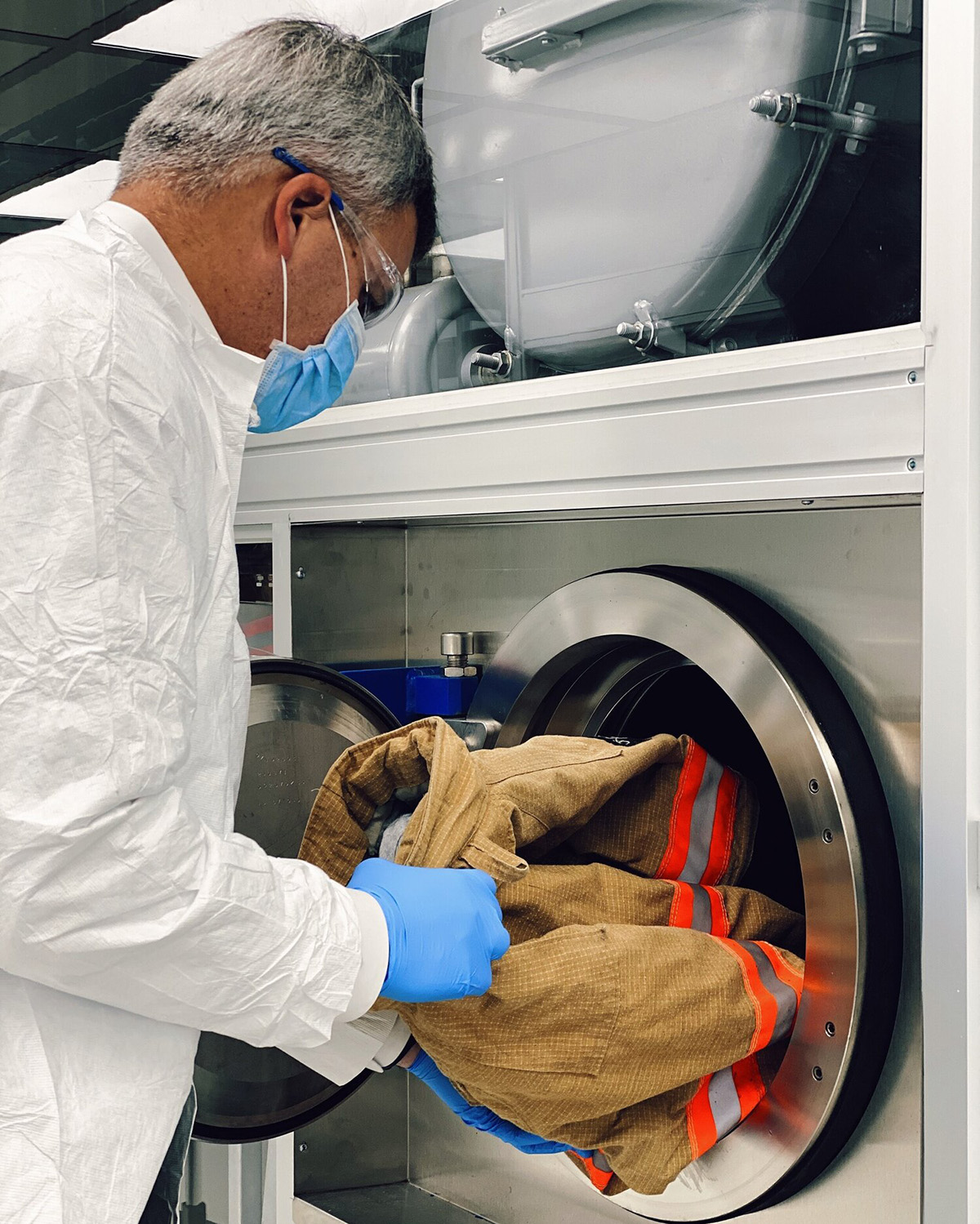
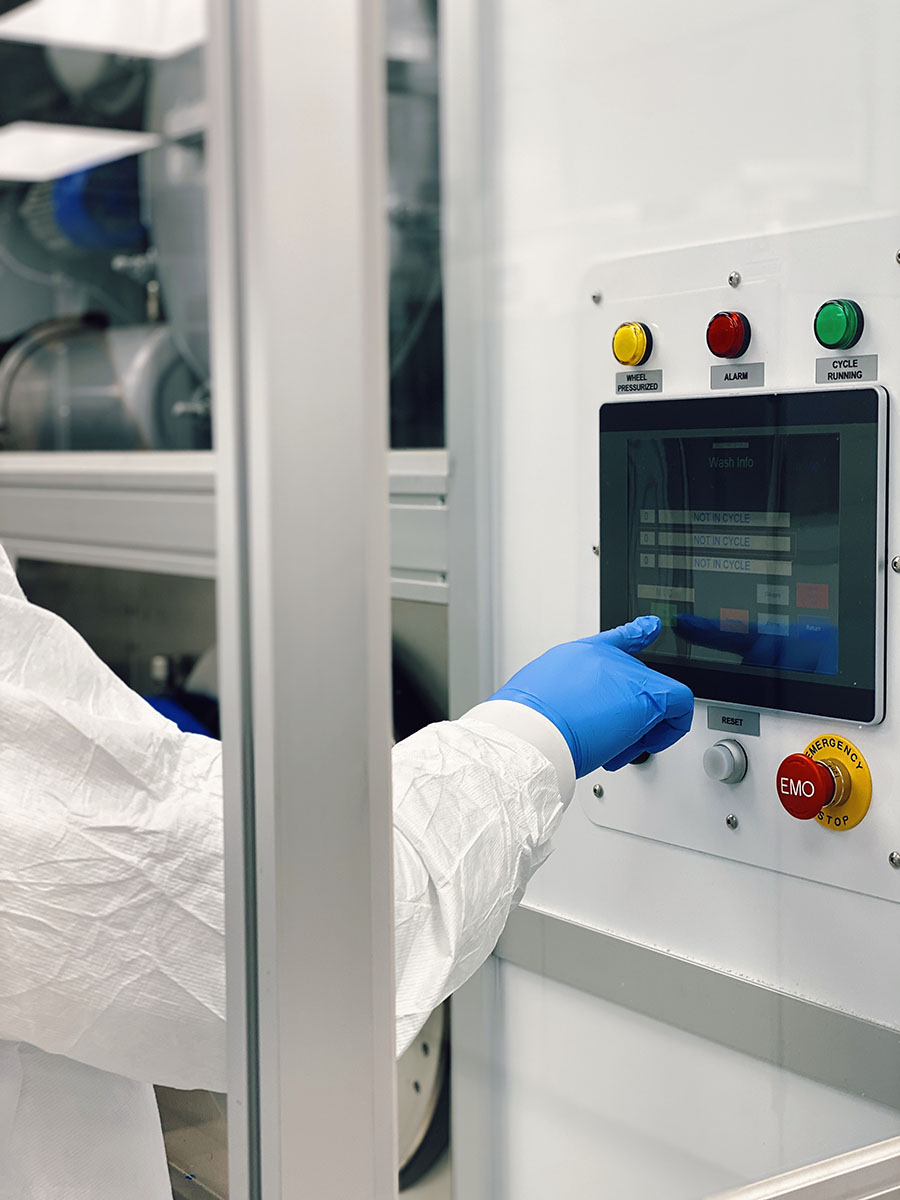
ETD’s Liquid CO2+ cleaning process is engineered to target these combined chemical risks. Using recycled, pressurized liquid carbon dioxide, this method penetrates deep into fabric fibers without damaging gear integrity. The results speak for themselves:
- Up to 84% PFAS removal, validated by third-party lab testing.
- 99.9999% SVOC and hydrocarbon reduction, far exceeding traditional methods.
- Zero water runoff or chemical residue, eliminating environmental compliance concerns.
- A gentle, heat-free process that maintains thermal and moisture barrier performance.
Compared to water extraction, Liquid CO2+ cleaning offers a more complete solution for modern fireground contamination challenges.
Creating a Safer Decontamination Strategy
For departments facing growing health and safety concerns, adopting a comprehensive decon strategy is crucial. This includes:
- Establishing regular, advanced cleaning schedules.
- Incorporating all gear components—jackets, pants, helmets, hoods, gloves, and base layers—into decon cycles.
- Partnering with ISP-certified providers like ETD to ensure that every item is cleaned to the highest standards.
- Educating firefighters on why chemical risks can’t be ignored and how proper gear maintenance supports long-term health.
Why It’s Time to Rethink Gear Cleaning
The fire service has evolved, and so have the hazards firefighters face. Today’s synthetic fires demand modern decontamination solutions that match the complexity of the threat. Partial cleaning is no longer an option. Comprehensive removal is the standard that firefighter health demands.
Ready to safeguard your crew from combined chemical risks? ETD offers advanced Liquid CO2+ cleaning services designed to remove the widest range of contaminants without compromising gear performance. Request service today and give your firefighters the protection they deserve.