By: ETD Team
For decades, water-based washing has been the standard method for cleaning firefighter turnout gear. It is familiar, accessible, and widely accepted. But as more research emerges around PFAS, PAHs, heavy metals, and other carcinogenic contaminants embedded in PPE, the limitations – and risks – of traditional water washing are becoming impossible to ignore.
The reality is clear: water washing does not remove the most dangerous contaminants at levels firefighters deserve, and over time, it can compromise the very integrity of the gear designed to protect them.
The Contaminant Problem Water Cannot Solve
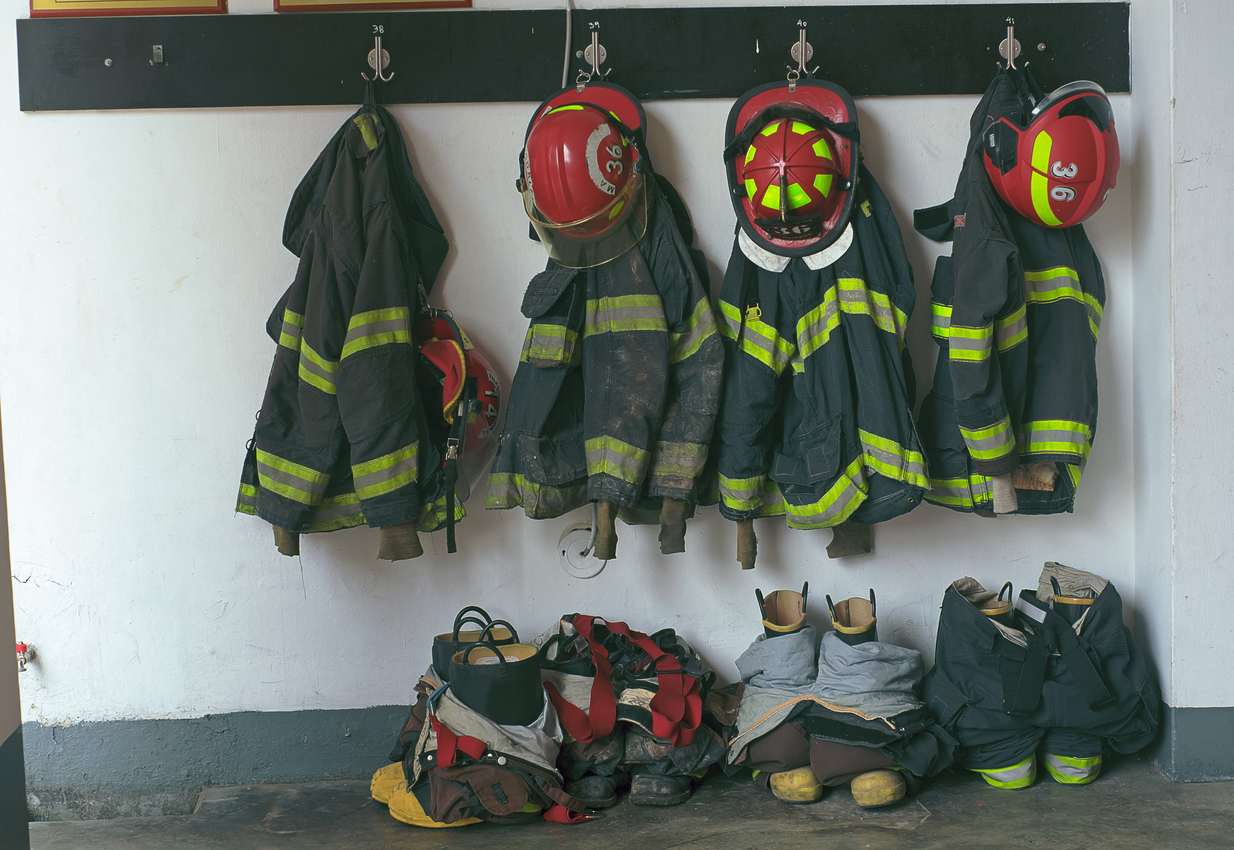
Firefighters face routine exposure to carcinogens, including polycyclic aromatic hydrocarbons (PAHs), volatile organic compounds (VOCs), semi-volatile organic compounds (SVOCs), and per- and polyfluoroalkyl substances (PFAS). These substances penetrate outer shells, moisture barriers, and thermal liners during fireground operations.
Traditional water extraction washing systems rely on detergents and agitation. While effective at removing visible soot and debris, studies consistently show they fail to address the deeper, more persistent chemical contaminants embedded in gear fibers.
Independent lab findings referenced throughout ETD’s research demonstrate that traditional water washing fails to remove up to 84% or greater of PFAS contamination. That means the majority of these “forever chemicals” can remain in turnout gear even after departments believe it has been properly cleaned.
PFAS are particularly concerning due to their bioaccumulative properties and links to multiple cancers, endocrine disruption, and long-term health impacts. When gear retains these compounds, firefighters continue to be exposed long after the incident ends.
What Happens When PFAS Stay in the Gear
The slogan says it best: what stays in your gear stays with you. Residual PFAS and SVOCs do not remain isolated inside the fabric. They off-gas. They transfer to the skin. They contaminate apparatus cabs, stations, personal vehicles, and even homes. This secondary exposure pathway extends risk beyond the fireground and into everyday life.
As cancer rates among firefighters continue to outpace the general population, departments must evaluate whether their cleaning protocols are reducing exposure – or simply removing surface grime while leaving chemical threats behind.
Structural Damage Caused by Water Washing
The risks of water washing extend beyond incomplete contaminant removal. Repeated exposure to water, heat, detergents, and mechanical agitation gradually weakens turnout gear components.
Moisture barriers and outer shells are engineered for specific thermal and water resistance performance thresholds. Over time, repeated water extraction cycles can:
- Break down protective coatings
- Accelerate seam tape degradation
- Increase fabric wear and fiber fatigue
- Reduce overall gear lifespan
When protective layers degrade prematurely, departments face increased replacement costs and potential compliance challenges under evolving NFPA standards.
Water washing may appear cost-effective in the short term. In reality, it can shorten gear service life and increase long-term capital expenditures.
The Environmental Impact of Wastewater
Water washing introduces another critical issue: contaminated runoff. During extraction, PFAS, PAHs, heavy metals, and other hazardous substances are flushed into wastewater systems. Most municipal treatment facilities are not equipped to remove PFAS effectively. As a result, these chemicals can enter local waterways and potentially impact drinking water supplies.
This growing environmental concern has driven increased regulatory scrutiny across states, particularly regarding PFAS disposal and wastewater discharge. Departments using traditional water extraction methods may unintentionally contribute to broader environmental contamination challenges.
As legislation evolves, wastewater management will become an increasingly important part of gear cleaning compliance.
Why Liquid CO2+ Cleaning Changes the Equation
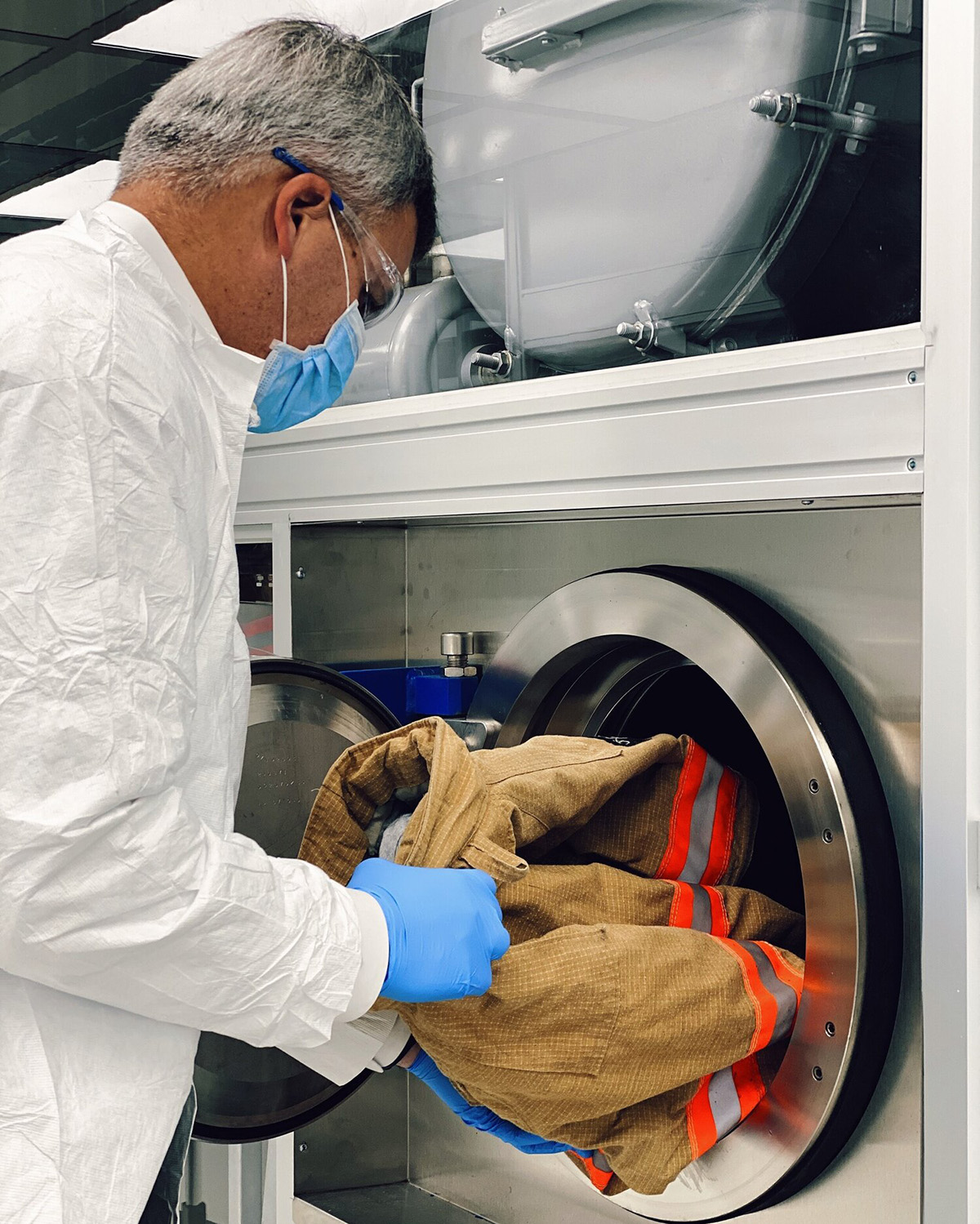
Emergency Technical Decon’s Liquid CO2+ cleaning process was designed specifically to address the shortcomings of water-based systems.
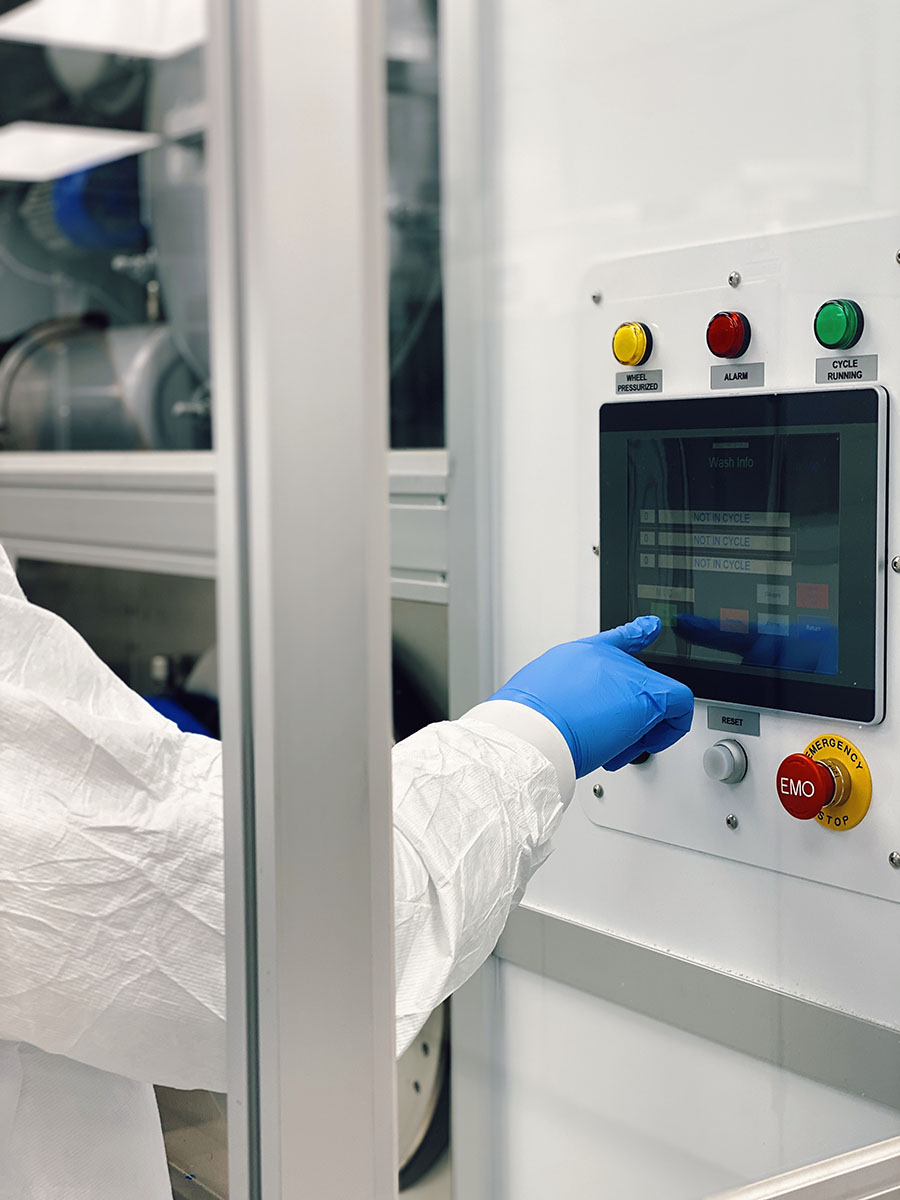
Unlike traditional washing, Liquid CO2+ operates within a closed-loop system that:
- Removes up to 84% or greater of PFAS contamination
- Effectively extracts SVOCs and other embedded contaminants
- Does not use water
- Produces no hazardous wastewater discharge
- Preserves fabric integrity by eliminating harsh mechanical agitation
Because Liquid CO2+ penetrates fabric at a molecular level, it can remove contaminants that water cannot dissolve or dislodge. Independent lab testing validates the removal rates, offering measurable proof rather than assumptions about cleanliness.
The closed-loop system also captures and filters contaminants, preventing environmental release and aligning with emerging environmental standards.
A False Sense of Clean
One of the most dangerous aspects of water washing is perception. Gear looks clean. It smells better. It passes visual inspection.
But invisible contaminants remain. Firefighter cancer prevention requires more than surface cleaning. It demands measurable contaminant removal backed by laboratory data. Departments must shift from “it looks clean” to “it is proven clean.”
The Cost of Doing Nothing
Continuing to rely solely on water extraction carries long-term consequences:
- Persistent chemical exposure for firefighters
- Increased risk of secondary contamination
- Accelerated gear degradation
- Environmental liability from contaminated wastewater
- Potential regulatory challenges as PFAS oversight expands
Cancer awareness in the fire service is not seasonal. It is operational. Every call introduces risk. Every cleaning cycle is an opportunity to reduce that risk – or perpetuate it.
Moving Beyond Water
Water washing served its purpose for decades because it was the best option available. Today, data and science tell a different story. When studies show that traditional methods leave up to 84% or greater of PFAS behind, departments must ask a critical question: is “clean enough” acceptable?
Firefighter health demands more than tradition. It demands proven decontamination performance. Emergency Technical Decon is committed to leading that shift – through data-backed research, Liquid CO2+ technology, and solutions designed to protect firefighters long after the fire is out.
Take Action to Protect Your Department
If your department is evaluating its decontamination protocols or looking to reduce long-term carcinogen exposure, we encourage you to start the conversation.
Contact Emergency Technical Decon today to learn how Liquid CO2+ cleaning can protect your gear, your firefighters, and your community.