By: Emergency Technical Decon
In recent headlines, conversations around PFAS in firefighter turnout gear have intensified. Departments are evaluating “PFAS-free” gear, weighing costs, performance, and long-term implications. In some cases, decisions are being delayed altogether because the science is still evolving. One element will always remain the same – the risk.
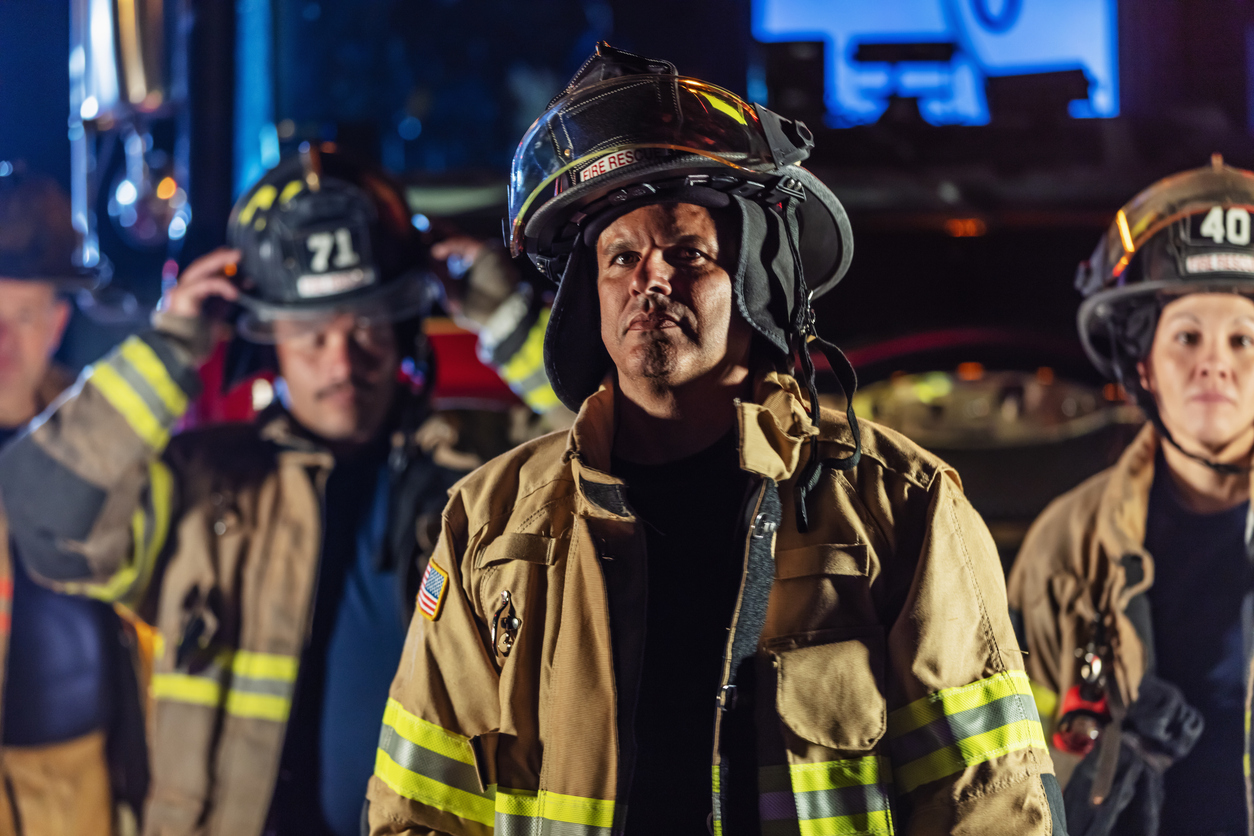
PFAS exposure in the fire service is not new. It has been present in turnout gear, foams, and fireground environments for decades. While the industry continues to develop alternatives and refine standards, firefighters are still being exposed today. Waiting for perfect solutions cannot come at the cost of firefighter health.
PFAS Has Always Been a Threat
PFAS, or per- and polyfluoroalkyl substances, are often referred to as “forever chemicals” because of their persistence in both the environment and the human body. They resist heat, water, and oil – which is exactly why they have historically been used in firefighter PPE.
Those same properties make them extremely difficult to break down and even harder to remove once they are embedded in turnout gear.
What has changed over the years is the level of awareness, the availability of data, and the urgency behind reducing exposure. Firefighters have been operating in this environment for years. The difference now is that departments have more information – and more responsibility – than ever before.
The Danger of Waiting
As new gear options are introduced and regulations evolve, some departments are taking a “wait and see” approach. Concerns about cost, durability, and performance are valid. Firefighters need gear they can trust in life-threatening conditions. Delaying action entirely creates a different kind of risk.
Every fire response continues to introduce contaminants into turnout gear, including PFAS, PAHs, VOCs, and other carcinogens. Without effective decontamination, those contaminants remain embedded in the gear, increasing exposure with every call.
The longer gear is in service without proper cleaning, the greater the cumulative exposure becomes. The reality is simple: exposure is happening now, regardless of what gear is being worn.
Exposure Doesn’t End on Scene
One of the most overlooked aspects of firefighter risk is what happens after the call. Contaminated gear does not stay on the fireground. It travels back to the station, into apparatus cabs, personal vehicles, and even into firefighters’ homes. It transfers to seats, surfaces, and skin. This creates a continuous exposure pathway – not just for firefighters, but for their families and communities.
Even as departments evaluate future gear options, current gear must still be managed and decontaminated effectively. Without that step, the risk remains unchanged.
Why Decontamination Is the Immediate Solution
While gear innovation and PFAS-free alternatives are important, they are long-term solutions still being developed and tested. Decontamination is the solution available right now.
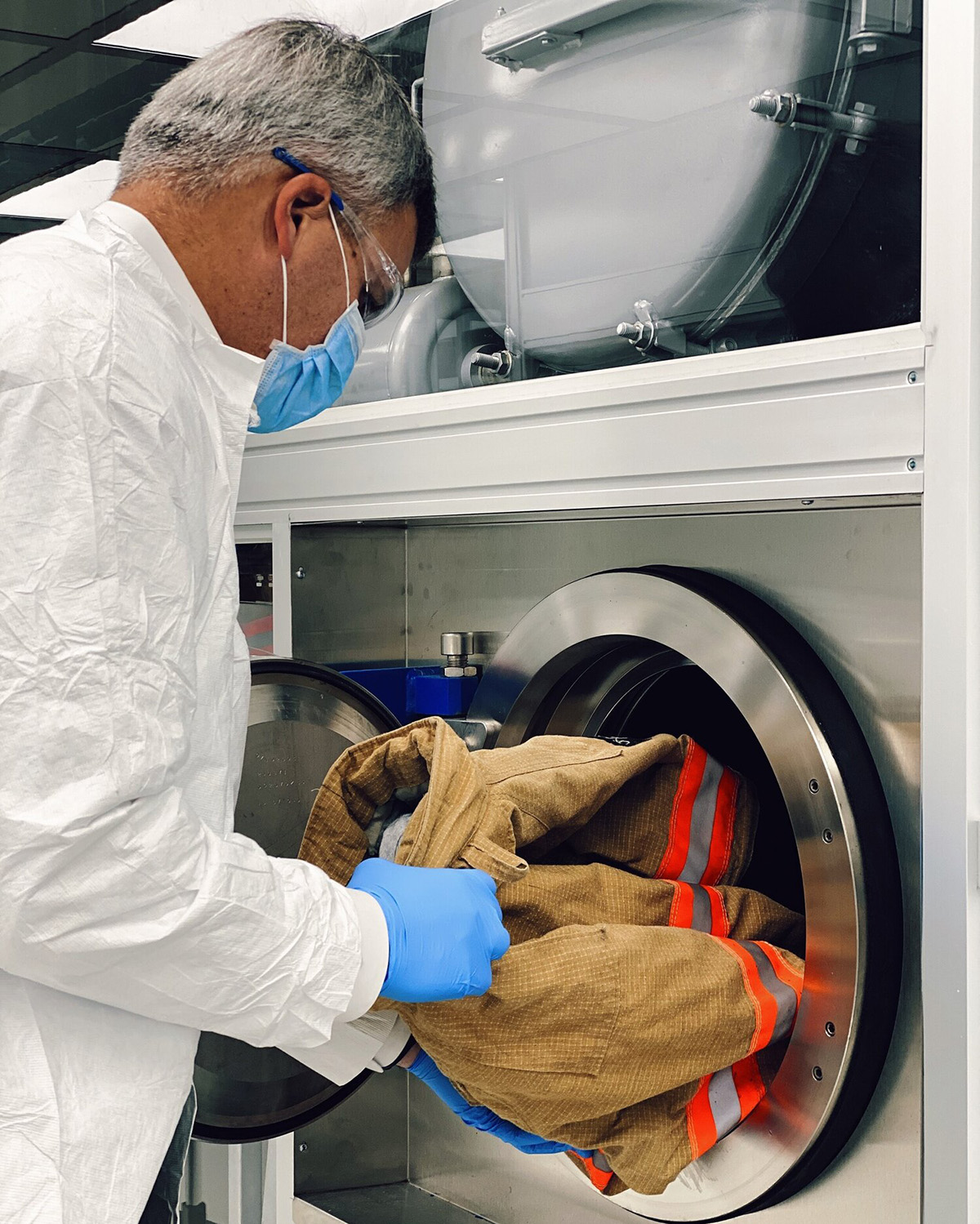
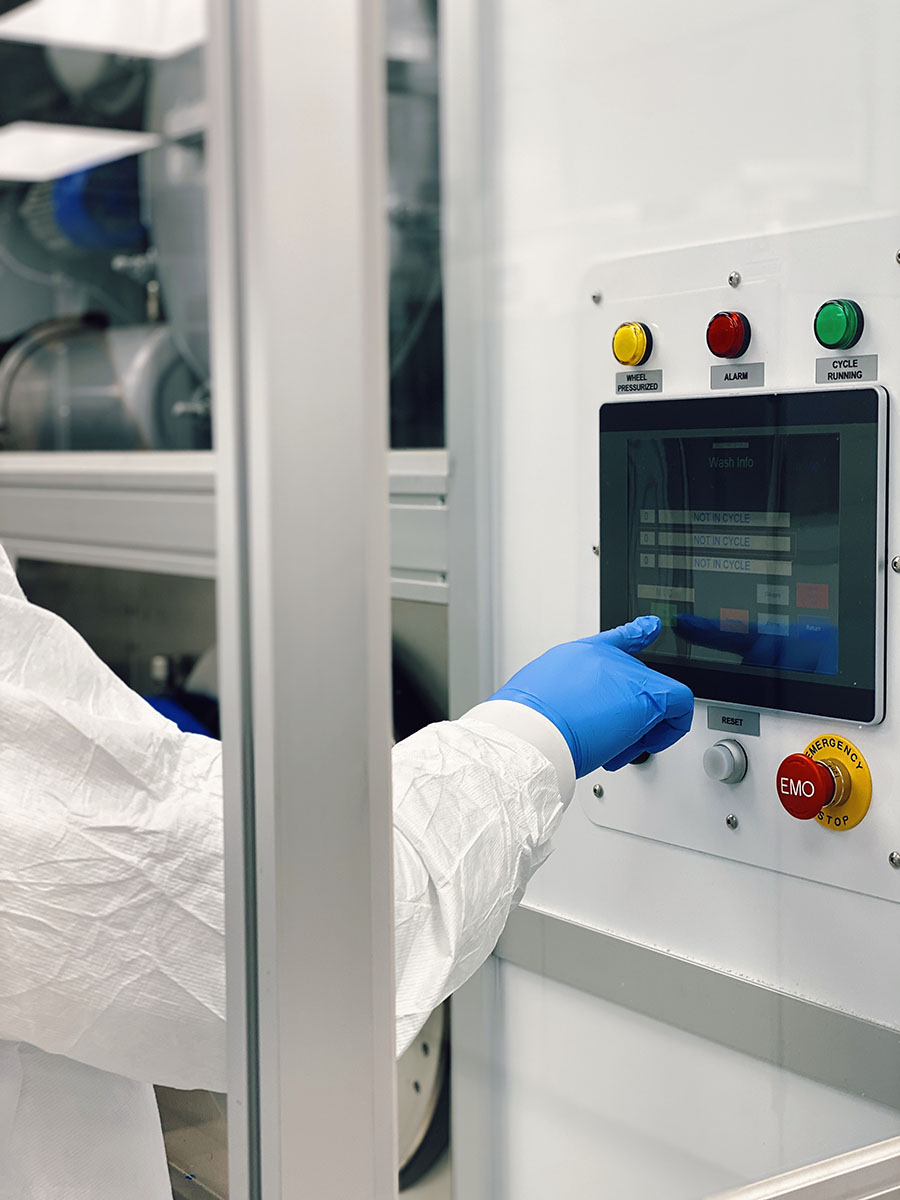
Advanced cleaning methods, like Liquid CO2+, are designed to address the contaminants firefighters are exposed to today – including PFAS and other SVOCs embedded deep within turnout gear. Independent laboratory testing shows that Liquid CO2+ can remove up to 84% or greater of PFAS contamination. That is a measurable reduction in exposure, not a future promise.
By implementing effective decontamination practices, departments can:
• Reduce the accumulation of carcinogens in gear
• Limit secondary exposure at the station and at home
• Extend the usable life of PPE
• Take immediate action while broader industry changes continue
Protecting firefighters does not have to wait for new gear standards. It can start with how gear is cleaned today.
The Science Will Continue to Evolve – The Risk Will Not
The fire service is in a period of rapid change. New materials, new regulations, and new research are shaping the future of PPE. But the presence of PFAS and other harmful contaminants is not a new variable. It is a known, ongoing risk.
As the science evolves, so should the approach to managing that risk. Departments that act now are not just keeping up with the conversation – they are leading it.
A Responsibility to Act Today
Firefighters accept risk as part of the job. Preventable exposure should not be one of them.
Protecting firefighter health requires a proactive approach – one that addresses both current conditions and future advancements. Waiting for a perfect solution leaves firefighters exposed in the meantime. The path forward is not choosing between today and tomorrow. It is taking action today while preparing for what comes next.
PFAS has always been a danger. The difference now is that departments have the data and tools to reduce exposure. Contact ETD to learn how Liquid CO2+ delivers more than 84% or greater PFAS removal, helping protect your firefighters, your gear, and your community – starting now.