By: Emergency Technical Decon
April is National Stress Awareness Month, a time to recognize the impact stress has on overall health. For most people, exposure to traumatic events is limited to a handful of experiences over a lifetime. For firefighters, it is part of the job.
From structure fires and vehicle extrications to medical calls and loss of life, firefighters are repeatedly exposed to high-stress, high-trauma situations. Over time, that cumulative exposure can take a serious toll: not just physically, but mentally and emotionally.
Understanding the difference in exposure is the first step toward building a healthier, more resilient fire service.
A Different Level of Exposure
Research shows that the average person may experience two to three traumatic events in their lifetime. Firefighters can experience that level of trauma in a single shift.
This repeated exposure increases the risk of:
• Chronic stress and burnout
• Sleep disruption
• Anxiety and depression
• Post-traumatic stress injury (PTSI)
• Substance use and coping challenges
The fire service has made meaningful progress in recognizing these risks. But awareness alone is not enough. Departments must actively support mental health the same way they prioritize physical safety.
The Connection Between Physical and Mental Health
Mental health does not exist in isolation. It is directly connected to physical health, including exposure to toxins and carcinogens.
Firefighters already face an increased cancer risk due to occupational exposure. When that is combined with chronic stress, poor sleep, and fatigue, the body’s ability to recover and protect itself is further compromised.
This is why a comprehensive approach to firefighter health must include both:
• Advanced decontamination practices
• Proactive mental health support
When firefighters feel physically safer – knowing their gear is properly decontaminated and their exposure is reduced – it can also help reduce underlying stress and anxiety tied to the job.
Building Healthier Habits on and off the Fireground
Managing stress in the fire service is not about eliminating exposure – it is about building habits and systems that support long-term resilience.
Peer Support and Open Conversations
One of the most effective tools is also one of the simplest – talking about it. Peer support programs create space for firefighters to process experiences with people who understand the job firsthand. Departments should encourage regular check-ins after difficult calls, establish peer-led support groups, and foster a culture where asking for help is normalized rather than avoided.
Sleep and Recovery
Irregular schedules and overnight calls make sleep one of the biggest challenges in the fire service. Chronic sleep deprivation amplifies stress, affects decision-making, and impacts long-term health. Prioritizing rest periods when possible, creating quiet and dark sleep environments at the station, and limiting stimulants before rest cycles can all help improve recovery and overall resilience.
Physical Activity and Routine
Exercise remains one of the most effective ways to manage stress. It helps regulate mood, improve sleep, and reduce long-term health risks. Even short, consistent workouts can lower cortisol levels, improve mental clarity, and build resilience under stress, making physical activity a critical part of a firefighter’s routine.
Access to Professional Resources
Peer support is critical, but it should not replace professional care. Departments should ensure firefighters have access to mental health professionals who understand the fire service, along with confidential counseling services and critical incident stress management (CISM) resources. Providing these options helps ensure support is available at every level.
Education and Awareness
Training firefighters to recognize the signs of stress in themselves and others is key to early intervention. Changes in behavior or mood, withdrawal from team interaction, increased irritability or fatigue, and difficulty concentrating are all indicators that someone may be struggling. Identifying these signs early allows departments to step in with the support needed before challenges escalate.
Reducing Stress Through Exposure Control
One often overlooked contributor to stress is the invisible risk firefighters carry with them – contaminants on their gear.
Knowing that carcinogens, PFAS, and other harmful substances remain embedded in turnout gear can create an added layer of concern that extends beyond the fireground and into the home.
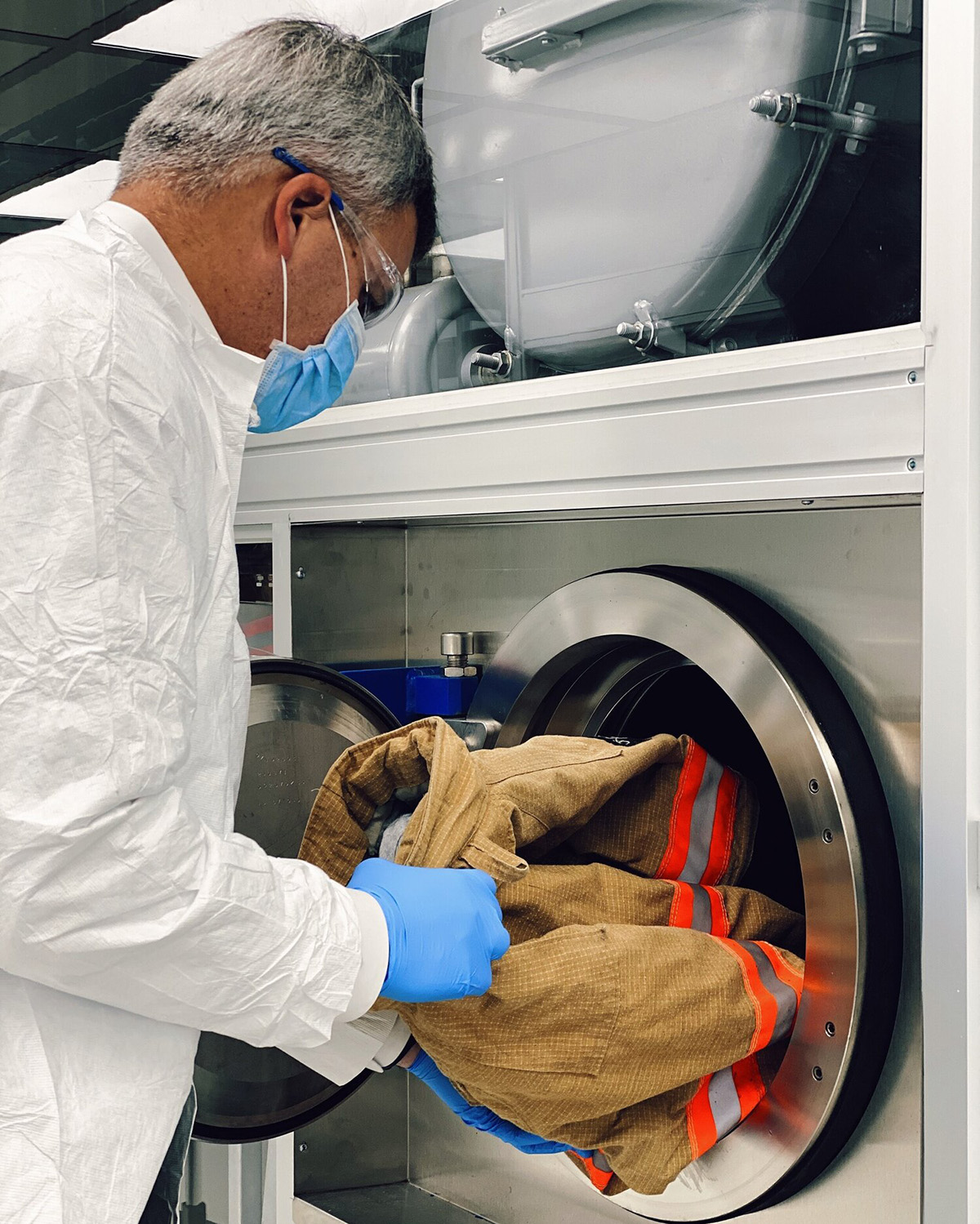
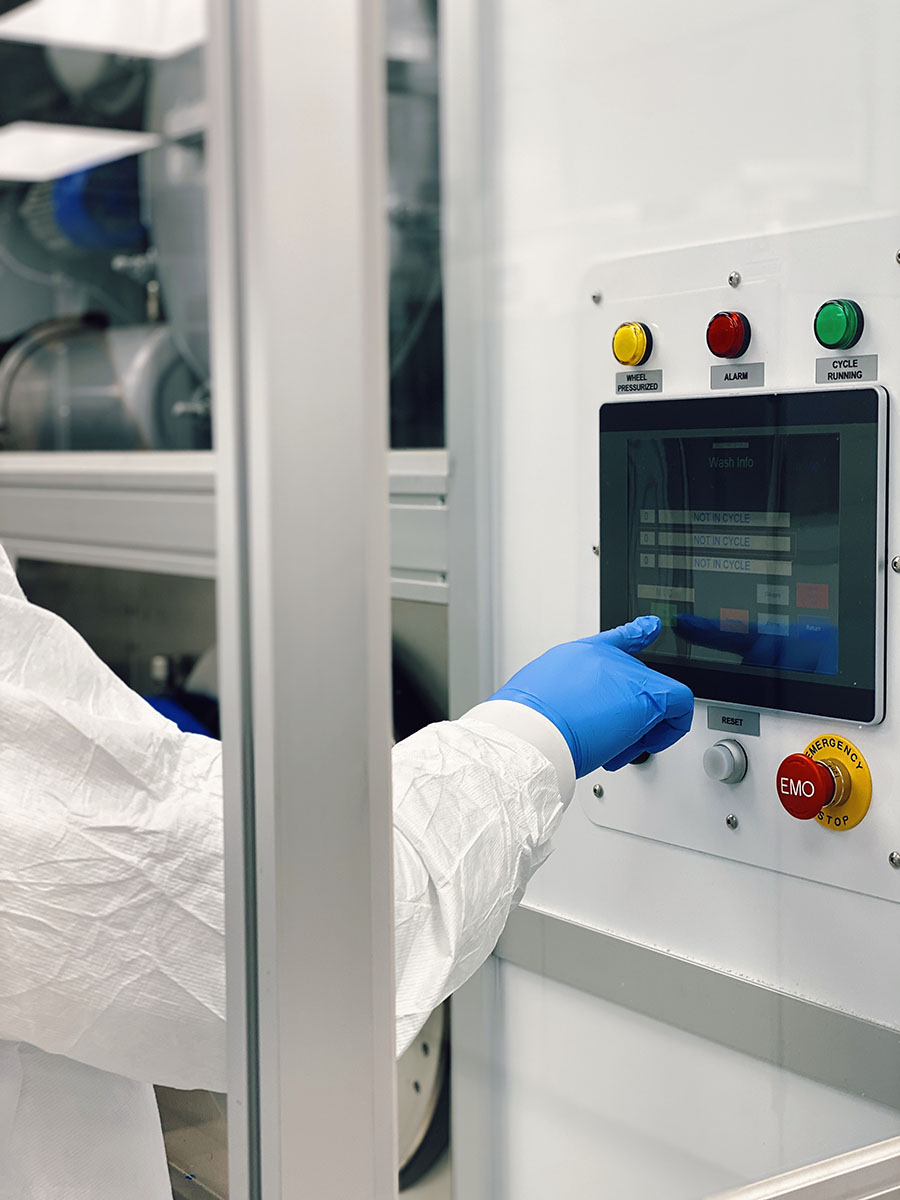
Advanced decontamination solutions, like Liquid CO2+, play a role in reducing that burden by:
• Removing up to 84% or greater of PFAS contamination
• Eliminating the spread of contaminants through water runoff
• Providing a measurable, data-backed approach to exposure reduction
Reducing uncertainty around exposure allows firefighters to focus on the job and their recovery, rather than what they may be bringing home.
A Culture Shift Toward Total Health
The fire service is evolving. Mental health is no longer a secondary conversation – it is a core part of operational readiness and long-term wellbeing.
This is not about eliminating stress. It is about equipping firefighters with the tools, support, and systems to manage it. Stress is part of the job. Carrying it alone should not be.
Contact ETD to learn how advanced decontamination with Liquid CO2+ supports a safer, healthier fire service – on the fireground, at the station, and at home.