Throughout 2024 and 2025, multiple states took landmark action to restrict PFAS — the “forever chemicals” long used in firefighter turnout gear for water and heat resistance. Two of the earliest adopters, Massachusetts and Connecticut, banned PFAS‑treated fire gear. The law prohibits the manufacture or sale of gear containing intentionally added PFAS.
In August 2025, Illinois passed the Deputy Chief Pete Bendinelli PFAS PPE Act (H.B. 2409), which prohibits the sale and distribution of firefighter protective gear containing intentionally added PFAS to departments beginning January 1, 2027.
Meanwhile, at the federal level, the International Association of Fire Fighters (IAFF) helped reintroduce the PFAS Alternatives Act, designed to fund the development of PFAS‑free turnout gear nationwide.
Altogether, these efforts represent a major shift in regulatory expectations for PPE — and a signal that “business as usual” gear manufacturing and procurement may no longer be viable.
What These Changes Mean for Fire Departments
1. PFAS-Free Gear Must Actually Be PFAS-Free
When states ban PFAS in protective gear or require disclosure, departments will need to vet gear carefully. “PFAS‑free” labeling will no longer be optional or ambiguous. Departments must ensure that the gear does not contain intentionally added PFAS, and vendors must comply with disclosure requirements.
2. Legacy Gear Still Demands Proper Decontamination
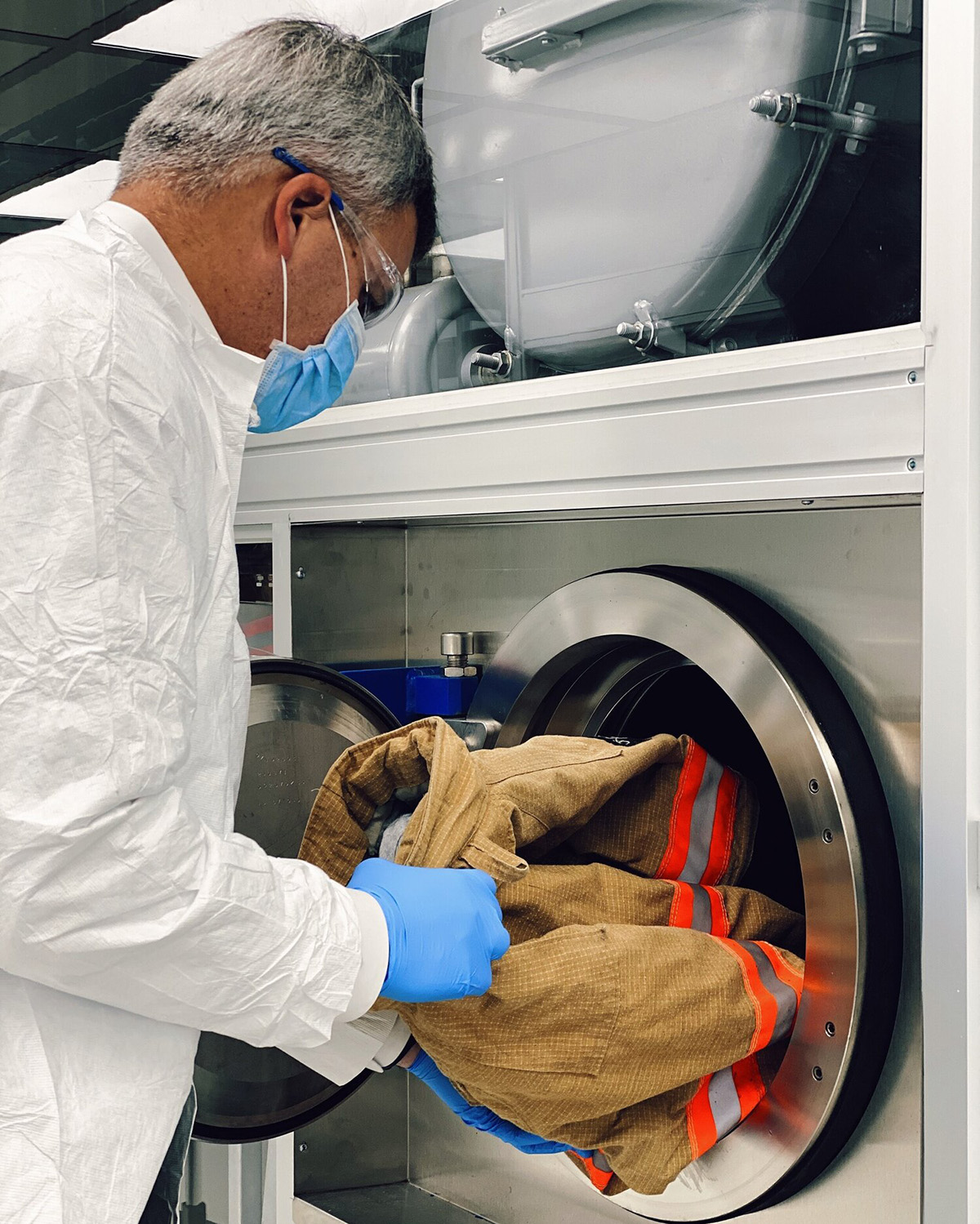
Even if the new gear is PFAS‑free, most departments still rely heavily on existing turnout gear, which may have PFAS finishes built in. Without rigorous decontamination, that legacy gear could still pose cancer and exposure risks. Regulations may push departments to prove their cleaning protocols meet evolving safety expectations.
3. Documentation & Compliance Will Gain Importance
With policy and legal scrutiny rising, logging and record‑keeping will matter. Departments may need evidence that gear was properly cleaned, inspected, and maintained — especially if gear is reused, shared, or entering long-term storage.
4. A Transition Period — But Not a Grace Period
Many laws (like Illinois’) don’t take full effect until 2027, giving departments time to plan. But that doesn’t mean operating as usual until then. Early adopters may gain operational and safety advantages, while departments that wait risk compliance and health liabilities.
How to Navigate These Headwinds: What Departments Should Do Now
- Inventory all gear: catalog by manufacture date, treatment status (PFAS vs non‑PFAS), and issuance history.
- Demand disclosure from vendors: when purchasing gear, require manufacturers to disclose any PFAS in materials.
- Audit your cleaning program: if legacy gear remains in use, make sure decontamination processes go beyond basic water washing.
- Establish documentation protocols: track cleaning cycles, decon methods, inspections, repairs, even for reserve or backup gear.
- Plan for phased gear updates: consider budgets, grant applications, and replacement timelines to align with state bans.
At Emergency Technical Decon, we believe that compliance and safety must go hand in hand. That’s why our services are aligned with current and emerging regulations, including PFAS‑related restrictions and PPE standards. Whether you’re maintaining legacy gear or investing in new PFAS-free PPE, we provide a compliance‑ready, health‑forward cleaning solution that supports long-term gear care and workforce protection.
Regulations are catching up to the risks, but departments still control the response. By acting now to inventory, document, clean, and transition gear, fire agencies can stay ahead of compliance, protect their crews, and set the standard for safety in a changing regulatory landscape.
If you’d like help evaluating your gear program or developing a plan for PFAS compliance and decon, contact us today.