Firefighters are trained to face danger head-on, but some of the greatest risks can’t be seen with the naked eye. The very gear that protects them in extreme environments can become a vehicle for toxic exposure long after the flames are out.
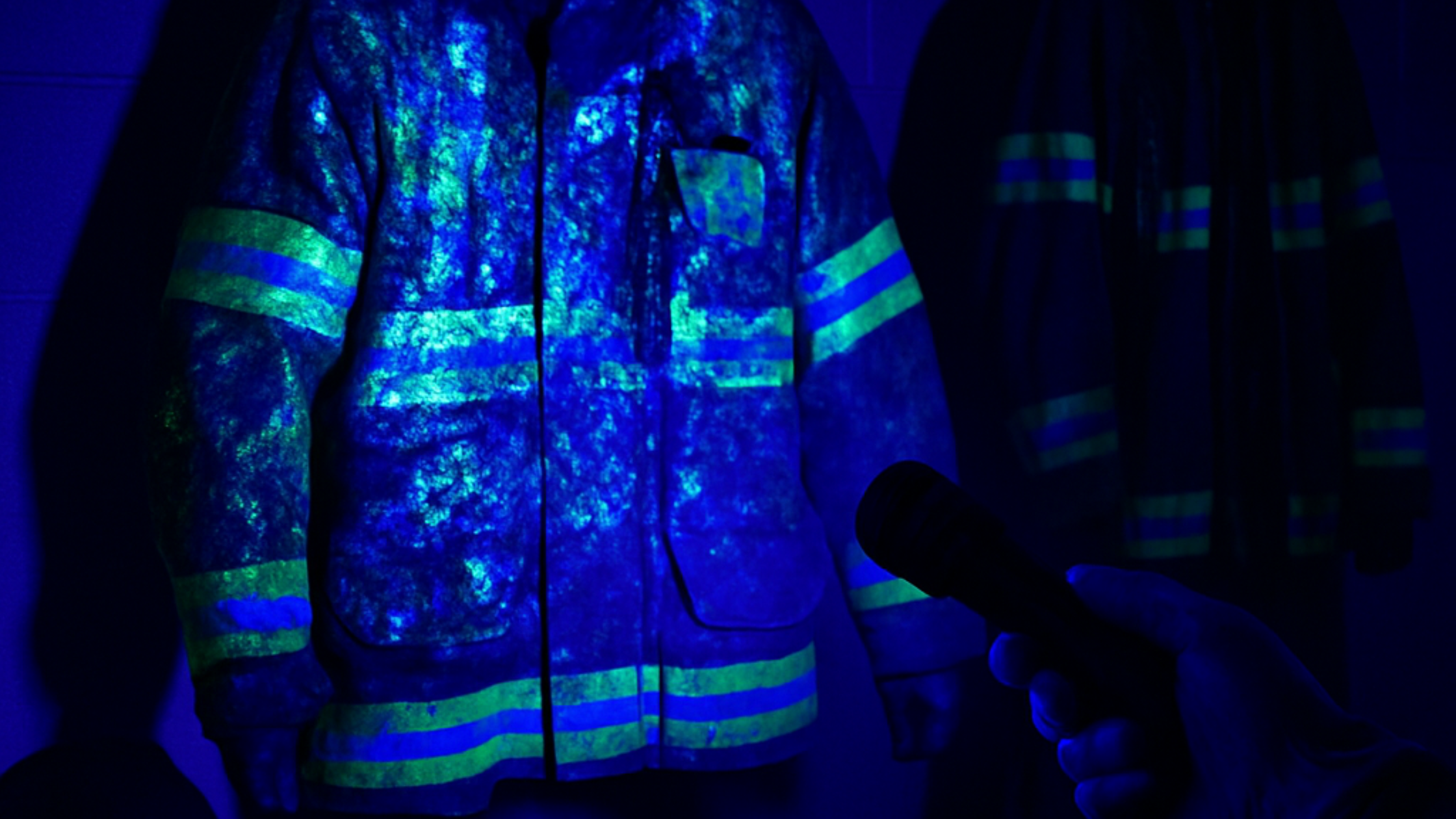
A powerful new training video produced by the Sylvester Comprehensive Cancer Center’s Firefighter Cancer Initiative reveals just how easily contamination from a fire scene spreads to stations, vehicles, personal items, and loved ones. Using fluorescent tracer dye and blacklight analysis, the video visually tracks the movement of invisible toxins from bunker gear to every surface a firefighter touches during a typical shift. From the rig’s door handle to a steering wheel, and from a locker room bench to a child’s car seat, the residue follows silently and relentlessly.
A Wake-Up Call for the Fire Service
This blacklight demonstration isn’t just dramatic, it’s data-backed. The study behind the video shows that when firefighters are confronted with clear evidence of cross-contamination, they’re more likely to adopt critical post-incident safety behaviors. These include:
- Showering immediately after returning to the station
- Cleaning gear routinely and documenting cleaning history
- Using wipes on the scene to remove soot and residues
- Bagging gear before transport to reduce the spread
- Avoiding contaminated surfaces in personal or shared spaces
By visualizing the invisible, the blacklight study makes one thing unmistakably clear: contamination doesn’t stay at the scene, and the risk doesn’t end with suppression. That risk travels—with you, your gear, and your habits.
Contaminants Are a Constant Threat
Modern structure fires contain a cocktail of cancer-causing chemicals: volatile organic compounds (VOCs), semi-volatile organic compounds (SVOCs), PFAS, diesel particulates, heavy metals, and residues from lithium-ion battery fires. These carcinogens linger on gear, embed in fabrics, and transfer easily to skin, surfaces, and shared tools.
Without routine decontamination, these toxins can build up over time and contribute to the rising rates of cancer in the fire service. Cancer remains the leading cause of firefighter line-of-duty deaths, and studies continue to confirm strong links between toxic exposures and long-term health impacts. This makes behavioral change, education, and routine cleaning not just best practice, but a life-saving standard.
Making Decon a Department-Wide Culture
The good news is that change is possible, and it starts with awareness. Departments across the country are using this video as a training resource to shift perspectives, support the adoption of Standard Operating Guidelines (SOGs), and empower every firefighter to take control of their health.
You can view the full blacklight video here and additional resources from The Firefighter Cancer Initiative here.
Where ETD Fits In: Prevention, Proof, and Peace of Mind
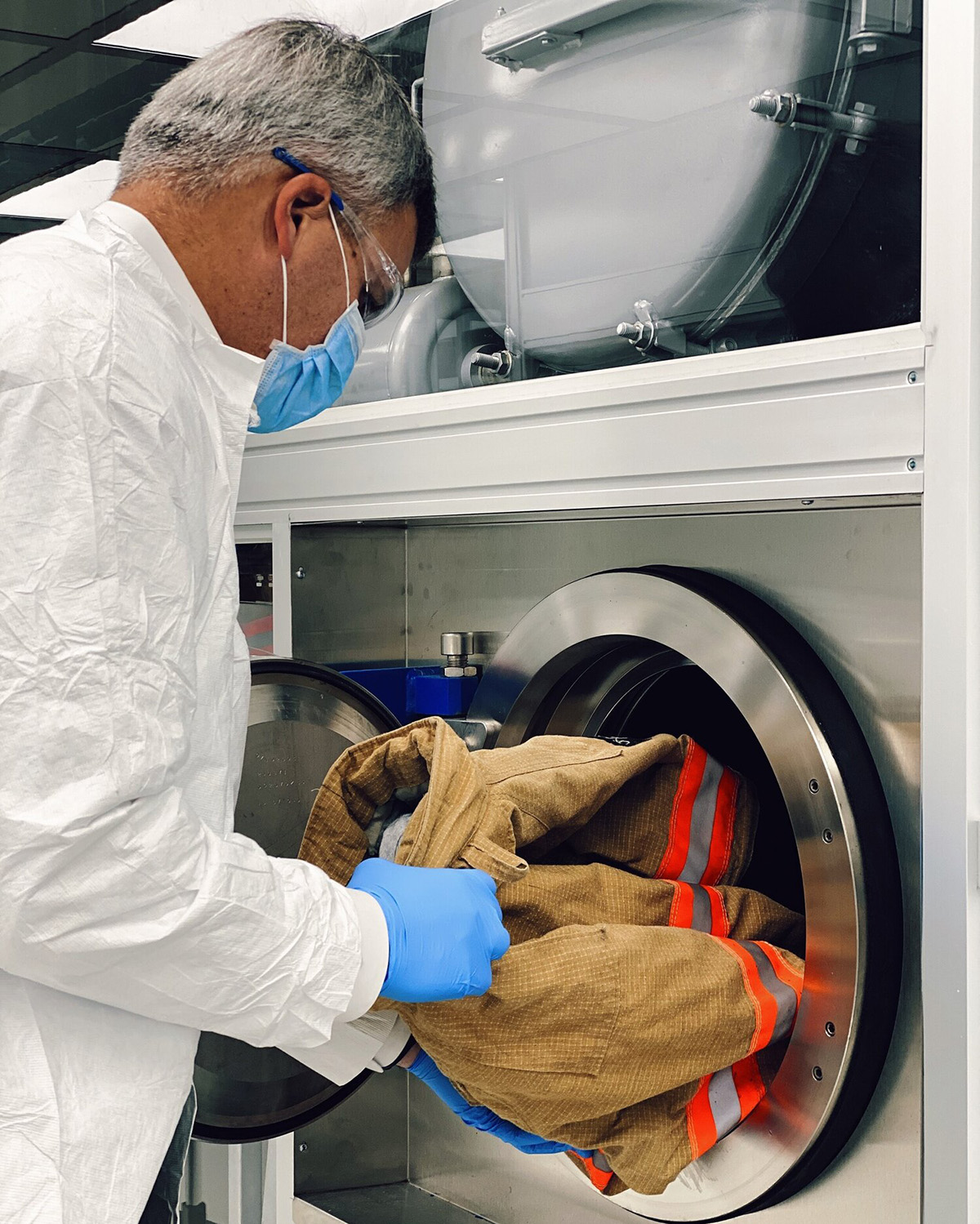
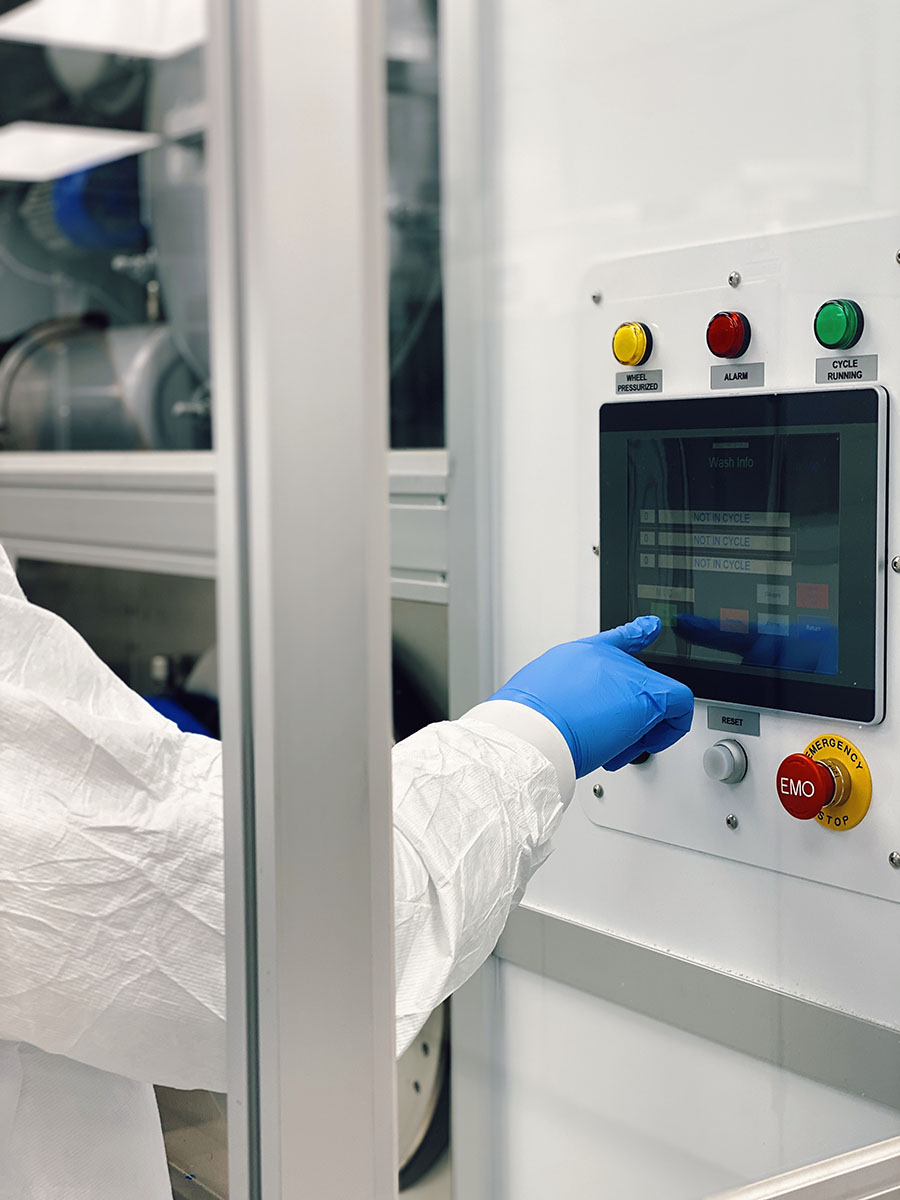
At Emergency Technical Decon, we take firefighter safety seriously. Our Liquid CO2+ cleaning process removes at least 84% of PFAS and is proven effective against other persistent toxins, without damaging gear. But just as important as how often gear is cleaned is how well those cleanings are documented.
With every piece of gear we process, we deliver a digital cleaning and inspection record that helps departments maintain NFPA 1851 compliance, track exposure history, and create a defensible log of safety practices. In a post-registry era where tools like the National Firefighter Cancer Registry are no longer available, your records may be the only proof that stands between you and an unsupported claim.
Firefighter health isn’t just about gear, it’s about culture, systems, and habits. Contact us today to learn more.