By: Mike Duyck, Senior Advisor
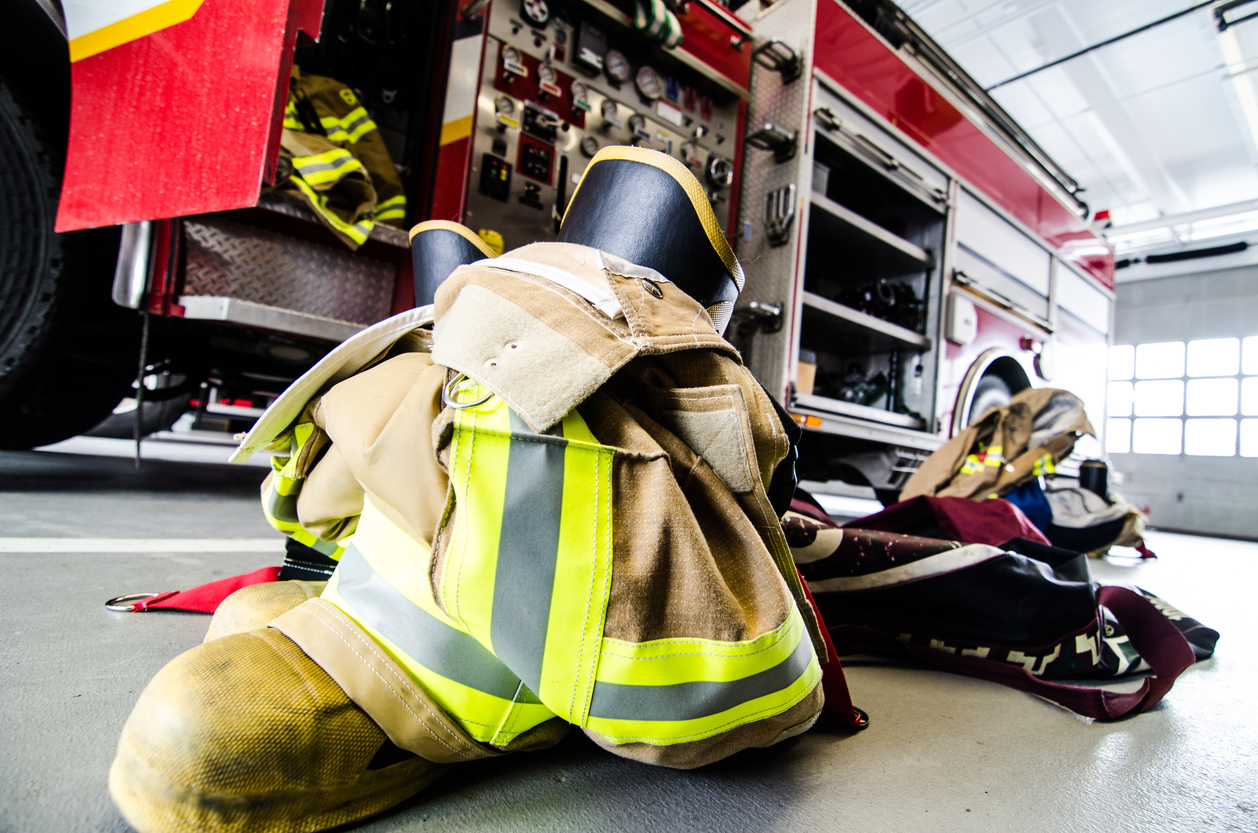
Firefighters rely on turnout gear to protect them from some of the most hazardous environments imaginable. Yet growing research continues to raise important questions about the materials used in personal protective equipment (PPE), particularly the presence of per- and polyfluoroalkyl substances (PFAS), commonly referred to as “forever chemicals.”
In May 2026, researchers at the National Institute of Standards and Technology (NIST) released new findings examining how physical wear, heat exposure, ultraviolet (UV) light, weathering, and laundering can alter measurable PFAS levels in firefighting gear. The study adds another layer to the ongoing discussion about firefighter exposure pathways and the long-term implications of PFAS-containing materials.
While the research does not suggest firefighters should stop wearing certified PPE, it highlights an important reality: turnout gear changes throughout its service life. Understanding how wear and tear impacts PFAS in firefighter gear can help departments make more informed decisions about inspection programs, cleaning schedules, replacement planning, and contamination control strategies.
What Are PFAS and Why Are They Used in Turnout Gear?
PFAS are a large group of synthetic chemicals used in thousands of industrial and consumer products. They are often called “forever chemicals” because they resist breaking down in the environment and can persist for extended periods.
Historically, PFAS have been used in firefighting products because of their ability to repel water, oil, and other contaminants while maintaining performance under challenging conditions.
Within turnout gear, PFAS may be present in several components, including:
- Moisture barriers
- Outer shell fabrics
- Thermal liners
- Water-resistant coatings and finishes
- Certain manufacturing treatments
Manufacturers have traditionally relied on PFAS chemistry to help maintain water resistance and durability while ensuring gear continues to perform in extreme environments.
However, growing scientific scrutiny has linked certain PFAS compounds to potential health concerns, leading regulators, researchers, and manufacturers to investigate exposure pathways and develop alternatives. As a result, understanding how PFAS behaves throughout the lifespan of firefighting PPE has become an important area of study.
What the NIST Research Found
The latest NIST study sought to better understand how various forms of environmental and operational stress affect measurable PFAS levels within firefighter protective clothing.
Rather than examining only new gear, researchers focused on how materials changed after experiencing conditions that mimic real-world use.
What Was Evaluated?
The study examined multiple components of firefighting PPE, including:
- Turnout gear materials
- Firefighter hoods
- Gloves
- Wildland firefighting uniforms
Researchers measured concentrations of various PFAS compounds before and after exposure to different stressors.
What Stressors Were Applied?
To simulate conditions experienced during fireground operations and routine use, researchers exposed materials to:
- Physical abrasion
- Heat exposure
- UV exposure and weathering
- Repeated laundering cycles
- Mechanical wear and tear
These stressors were selected because they closely resemble the environmental conditions turnout gear encounters throughout its service life.
Key Findings
The study found that PFAS levels did not respond uniformly across all materials. In some cases, measurable PFAS concentrations increased after exposure to stress. In others, concentrations decreased.
Researchers believe this variability may be tied to changes in textile structures, degradation of coatings, breakdown of fibers, and movement of chemical compounds within the material itself.
Several important observations emerged:
Physical Stress Can Alter Measurable PFAS Levels
Abrasion and mechanical wear changed measurable PFAS concentrations in several textile samples. As materials experienced physical degradation, PFAS compounds became more or less detectable depending on the material tested.
Heat and UV Exposure Matter
Heat exposure and UV weathering altered PFAS measurements in multiple gear components. Since firefighters routinely experience both conditions during emergency operations, these findings highlight the importance of considering a gear’s entire service life when evaluating exposure risks.
Laundering Influences PFAS Measurements
Repeated laundering cycles also affected PFAS concentrations. While laundering remains an essential component of contamination control, the findings suggest that cleaning and material aging may interact in complex ways that researchers are still working to understand.
Exposure Pathways Remain an Active Area of Research
Perhaps most importantly, the study reinforces that PFAS exposure is not solely about whether chemicals are present in a material. Researchers are increasingly focused on understanding how chemicals move, become available for contact, and potentially transfer to firefighters during normal use.
The findings do not establish direct health outcomes but provide important insight into how turnout gear evolves over time.
How Gear Degradation May Affect Firefighter Exposure
Every firefighter knows turnout gear experiences significant wear throughout its lifespan.
Even gear that appears structurally sound may be undergoing subtle material changes that affect performance and contamination behavior.
Daily Sources of Wear and Tear
Turnout gear is regularly exposed to:
- Fireground heat
- Physical abrasion
- Crawling and dragging
- Repeated donning and doffing
- UV exposure during apparatus operations and training
- Moisture intrusion
- Routine laundering and drying
Each exposure contributes incrementally to material degradation.
Why Wear and Tear Matters
As textiles age, fibers begin to break down. Protective finishes may degrade. Water-resistant treatments can lose effectiveness. Microscopic structural changes occur within moisture barriers, outer shells, and thermal liners.
These changes may influence how contaminants interact with the material and how chemical compounds behave within the gear.
Increased Mobility of Chemical Compounds
One concern highlighted by emerging PFAS research is that aging materials may allow certain compounds to become more mobile or easier to release.
While researchers continue to investigate these mechanisms, degraded textiles could potentially alter exposure pathways by changing how contaminants are retained, transferred, or released during normal use.
This is why contamination control should not focus solely on visible cleanliness. Understanding the condition of the gear itself is equally important.
The Role of Advanced PPE Decontamination
As departments continue evaluating PFAS-related risks, advanced decontamination strategies are becoming increasingly important.
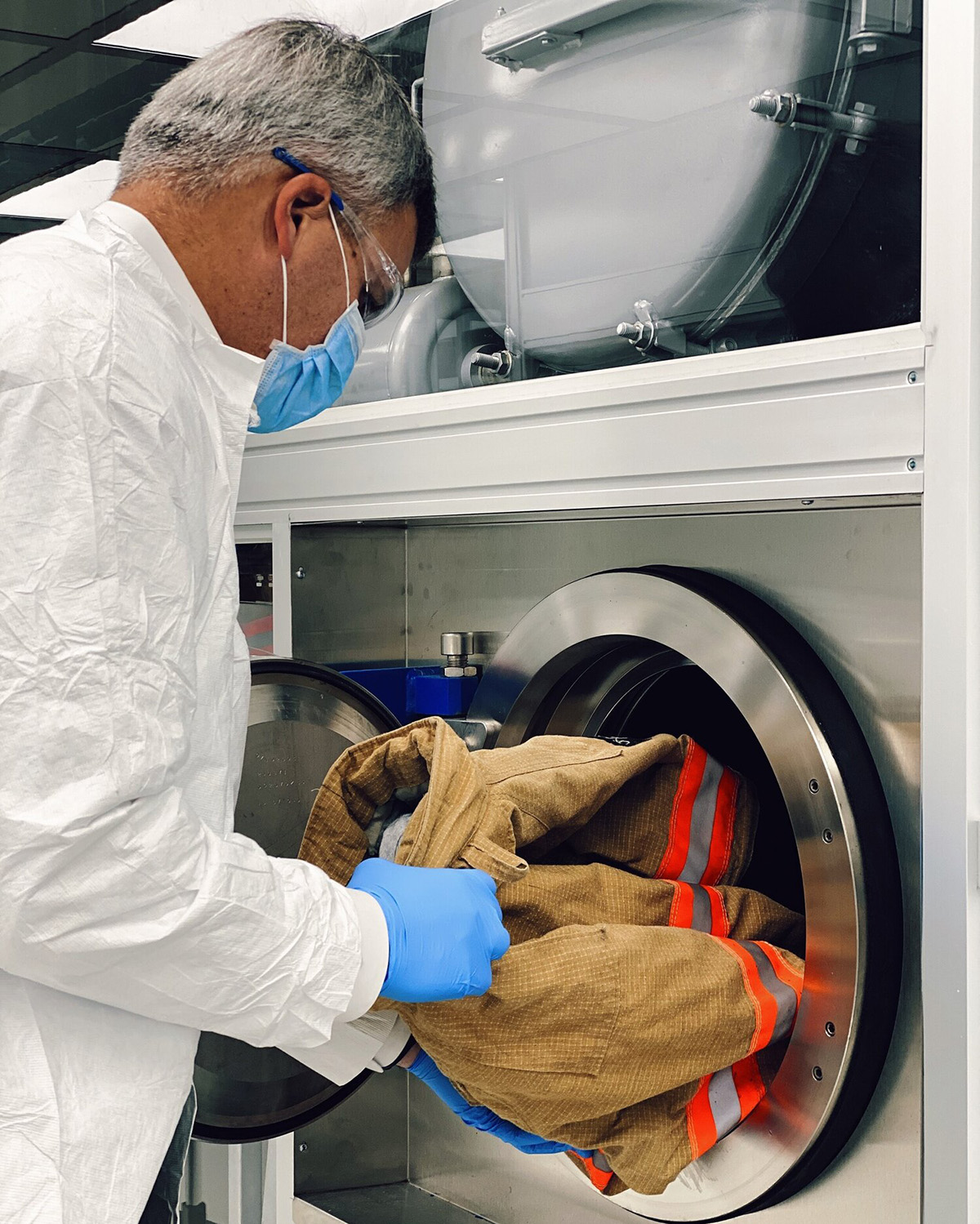
Traditional laundering remains a critical component of turnout gear maintenance. However, growing evidence suggests that removing contaminants effectively while preserving gear integrity requires a more comprehensive approach. Liquid CO2+ cleaning offers an alternative method designed specifically for advanced contamination removal.
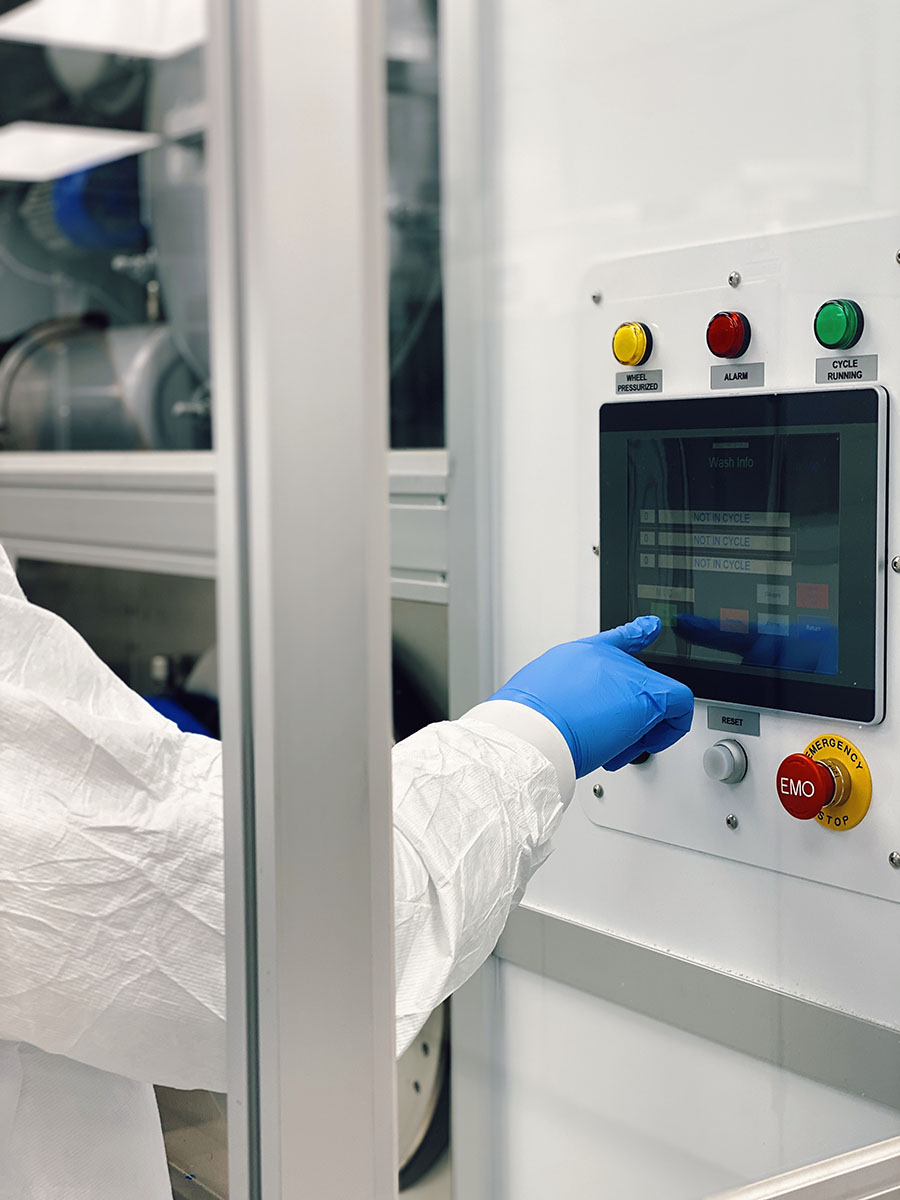
Unlike traditional water-based extraction processes, Liquid CO2+ uses pressurized liquid carbon dioxide combined with specialized cleaning agents to penetrate gear materials and remove contaminants.
The process offers several potential advantages:
- No hazardous wastewater discharge
- Reduced mechanical stress on textiles
- Lower thermal stress compared to traditional drying processes
- Effective removal of a broad range of contaminants
- Preservation of gear performance characteristics
Research conducted on ETD’s Liquid CO2+ process has demonstrated significant contaminant removal performance, including:
- More than 84% PFAS removal
- 99.9% removal or non-detect levels of SVOCs in lithium-ion battery fire testing
- 99.8% heavy metal removal in independent testing
As NIST research highlights how material degradation may influence contaminant behavior, cleaning methods that reduce additional wear while effectively removing hazardous substances become increasingly valuable.
Decontamination is no longer simply about appearance. It is about managing long-term exposure risks while extending the useful life of critical PPE.
Building a Comprehensive PFAS Risk Reduction Strategy
No single action can eliminate PFAS-related concerns. Instead, departments should adopt a layered approach that combines inspection, maintenance, cleaning, and replacement planning.
Regular Gear Inspections
Routine inspections help identify signs of degradation before they become significant problems.
Departments should monitor:
- Outer shell wear
- Moisture barrier damage
- Delamination
- Thermal liner deterioration
- Loss of protective finishes
Early identification allows departments to make informed decisions regarding repair or replacement.
Proper Cleaning Schedules
Contaminants should be removed as quickly as practical following exposure incidents. Consistent cleaning schedules help prevent contaminant accumulation and support compliance with evolving PPE care standards. Departments should follow manufacturer recommendations and NFPA guidance while ensuring gear receives cleaning based on actual exposure conditions.
Advanced Decontamination Techniques
Advanced cleaning technologies can provide an additional layer of contamination control. Solutions such as Liquid CO2+ cleaning help departments address modern contaminants while minimizing the stresses associated with repeated traditional laundering cycles.
As research into PFAS exposure continues, advanced decontamination may become an increasingly important component of firefighter health programs.
Gear Replacement Planning
Even the best-maintained gear eventually reaches the end of its useful service life.
Departments should establish replacement schedules that account for:
- Age
- Exposure history
- Physical condition
- Inspection findings
- Manufacturer guidance
Replacement planning helps ensure firefighters continue using PPE that provides the highest level of protection possible.
What This Means for the Future of Firefighter PPE
The NIST study reflects a broader trend occurring across the fire service. Researchers, regulators, manufacturers, and fire departments are paying closer attention to PFAS in firefighter gear than ever before. Several trends are likely to shape the future of PPE:
Increased PFAS Scrutiny
State and federal agencies continue evaluating PFAS use in firefighting products. Additional regulations and reporting requirements are likely in the coming years.
Development of PFAS Alternatives
Manufacturers are actively researching PFAS-free materials and alternative technologies capable of delivering similar performance characteristics. While transitions will take time, innovation in this area is accelerating.
Greater Understanding of Exposure Pathways
Future studies will continue examining how firefighters encounter PFAS through gear, environments, and operational activities. Understanding exposure pathways will help inform future PPE design and contamination control strategies.
Expanded Focus on Gear Lifecycle Management
The conversation is shifting beyond simply what gear contains to how gear behaves throughout its lifespan. Inspection programs, cleaning technologies, replacement schedules, and contamination control protocols will increasingly become part of comprehensive firefighter health initiatives.
Protecting Firefighters Through Better Decontamination Practices
The latest NIST research reinforces an important message: turnout gear changes over time. Heat exposure, abrasion, weathering, and routine use can influence measurable PFAS levels and potentially affect how contaminants interact with protective clothing.
While research continues to evolve, departments do not need to wait for every question to be answered before taking action. Regular inspections, proactive cleaning programs, advanced decontamination technologies, and thoughtful replacement planning can all help reduce potential exposure risks.
At Emergency Technical Decon, we believe firefighter health starts with effective contamination control. Our advanced Liquid CO2+ cleaning process helps departments remove hazardous contaminants, preserve gear performance, and support long-term firefighter wellness.
Learn more about how ETD is helping departments build safer, healthier PPE programs for the future. Schedule service today: www.etdecon.com/request-service/.